Search "homes for sale in Great Cruz Bay" and the results all arrive dressed the same way: villas, condos, ocean views, prices that range from modest to eight figures on the same page. Scroll long enough and a natural question surfaces. How does a stretch of coastline this small support so much housing at once?
It doesn't, not really. Most of what populates that search was never built to be a home in the way a buyer means the word. It was built to be sold by the week.
The Resort Behind the Bay
Great Cruz Bay's housing stock is dominated by one property: the Westin St. John Resort Villas, which sits on the land above the harbor and stretches across four separate phases, Virgin Grand Villas, Bay Vista Villas, Sunset Bay Villas, and Coral Vista Villas. Only Virgin Grand was designed from the ground up as a timeshare. The other three phases were retrofitted into vacation-ownership inventory later, which is why long-time guests describe uneven planning between them even under matching Westin branding.
That structure explains the volume problem. A studio or a three-bedroom unit here isn't sold once to one buyer. It's divided into weekly intervals and sold, resold, and rented out on a rolling basis, year after year. A single rental agency working these phases has reported carrying close to 300 of these weekly intervals in its own inventory in a given year, and that's one agency among several. Multiply that across four phases and multiple booking channels and you get the flood of "listings" that makes Great Cruz Bay look, from a portal's vantage point, like one of the busiest housing markets on the island.
It is busy. It just isn't a housing market for anyone hoping to own a house.
The Cost of Owning a Week
A Westin interval is a real ownership stake, deeded outright in the Virgin Grand phase, structured as a right-to-use in the others. It is not nothing. But it comes with a recurring bill that looks nothing like a mortgage. Resale marketplaces this year show annual maintenance fees on Virgin Grand intervals running from roughly $4,000 to more than $5,500, depending on unit size and season, due whether or not the owner ever visits that week.
An owner gets a fixed week, a fixed season, and an exchange program if they want to trade it. What they don't get is control over rental terms, renovation decisions, or the flexibility to hold the asset the way a homeowner holds a house. It's a subscription to a place, not a foothold in it.
The Freehold Pocket Above the Resort
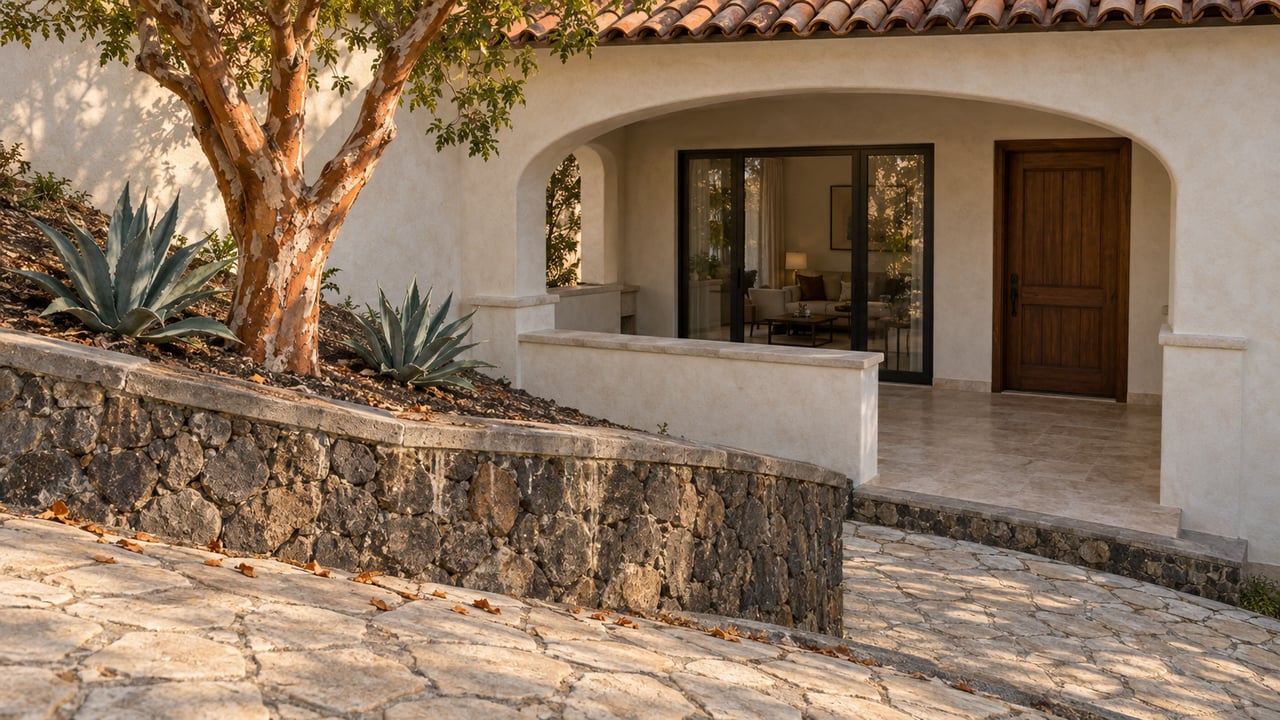
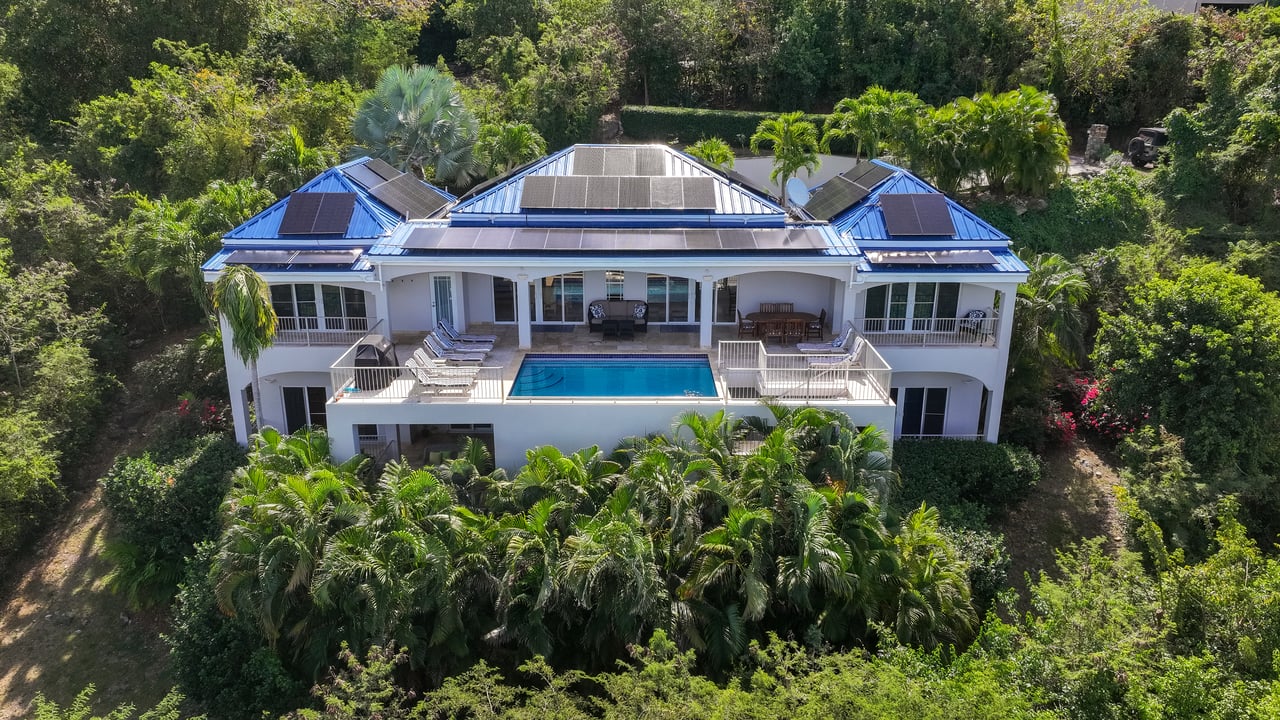
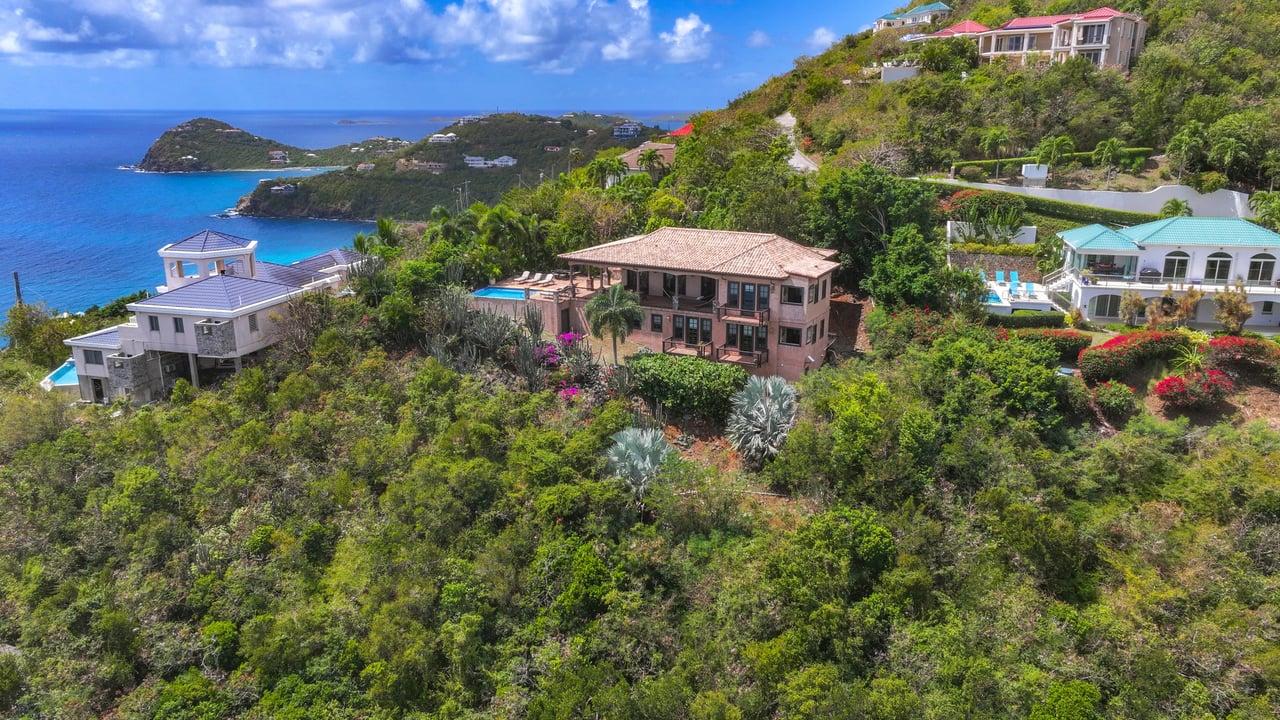
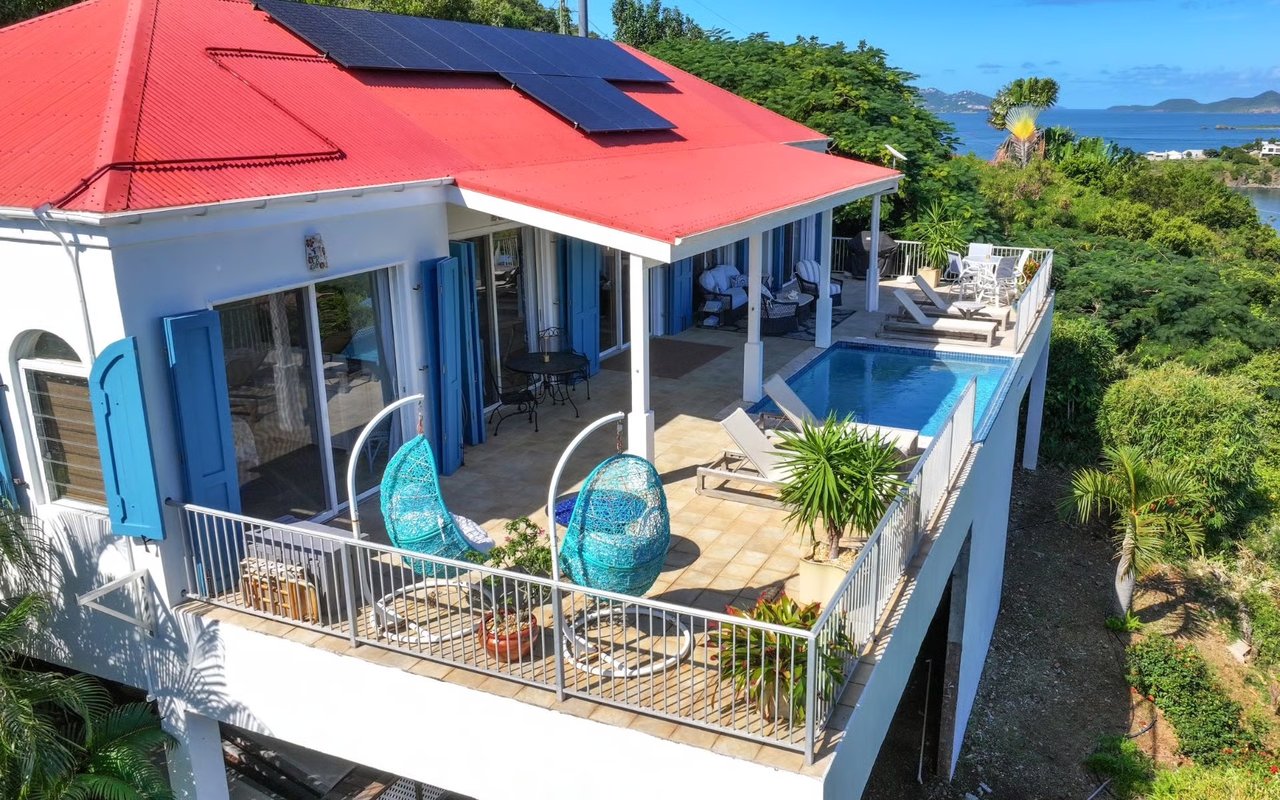
A different kind of property sits on the hillside above the resort and along the peninsula that separates Great Cruz Bay Harbor from Chocolate Hole Harbor. These are freehold, single-family villas, whole houses on whole lots, sold and financed the way property is sold anywhere else.
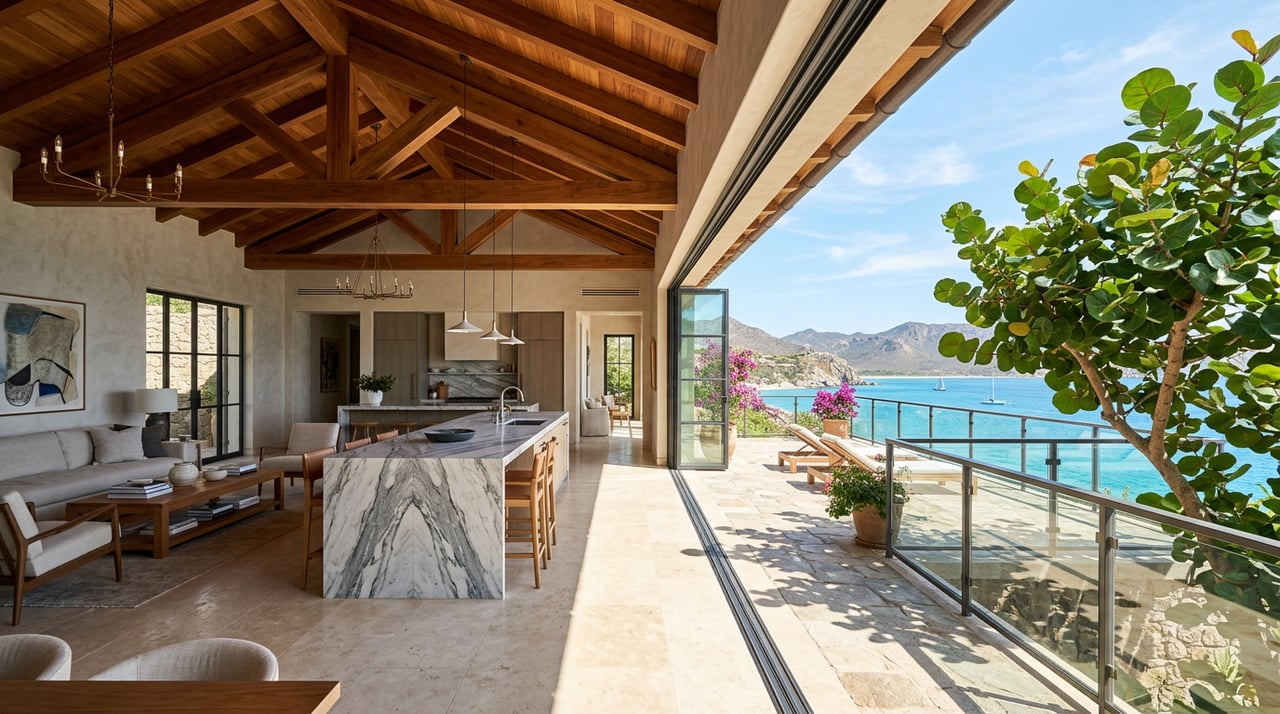
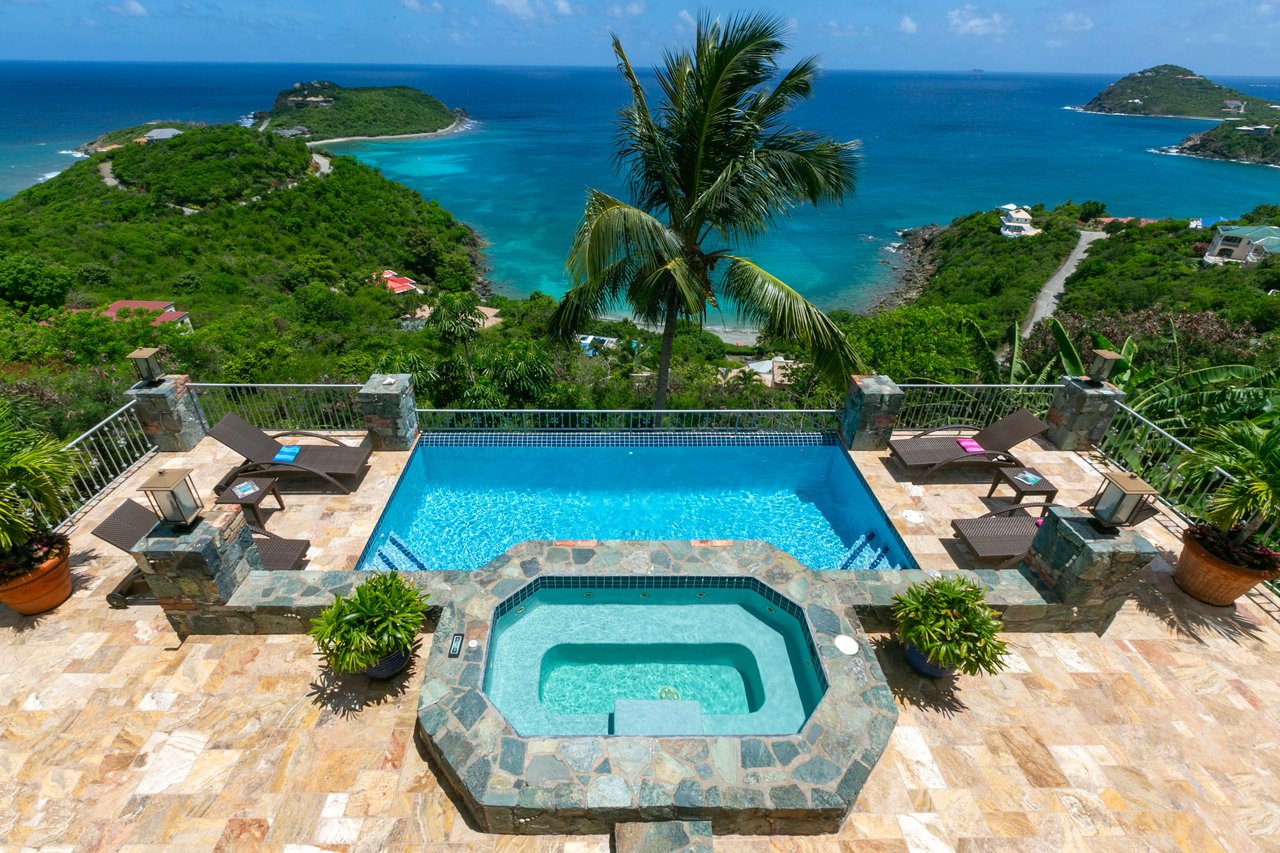
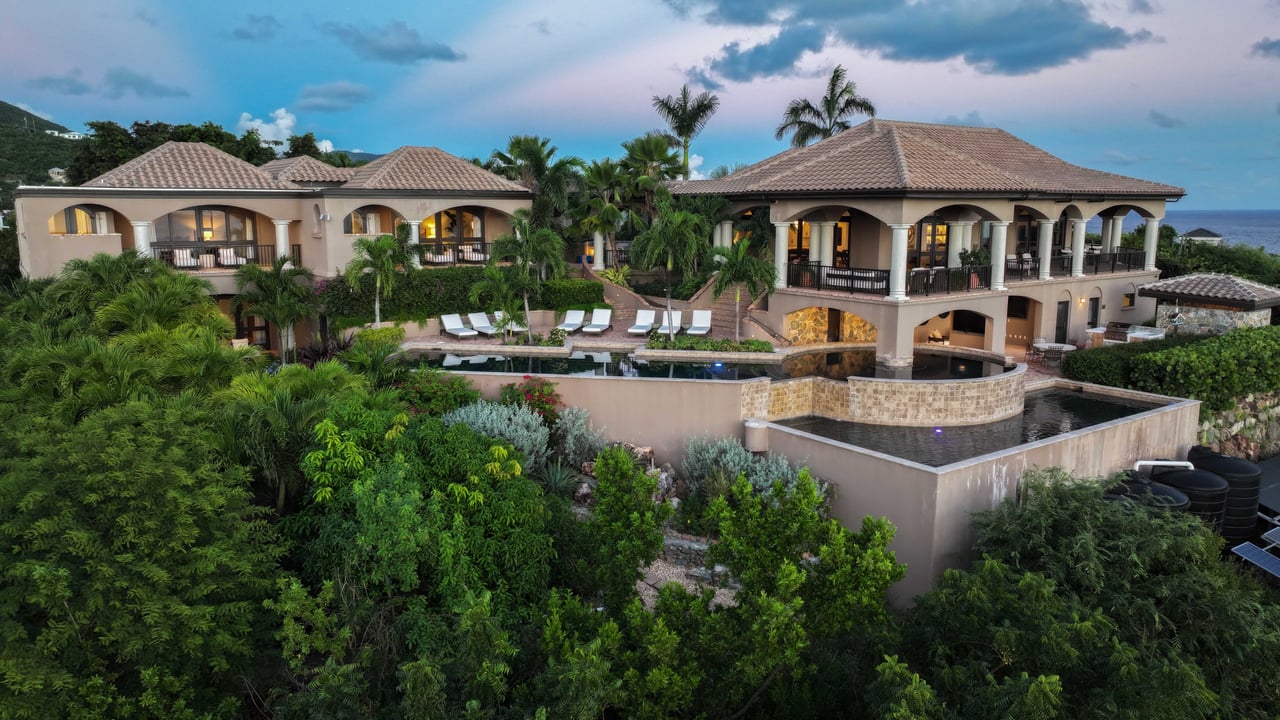
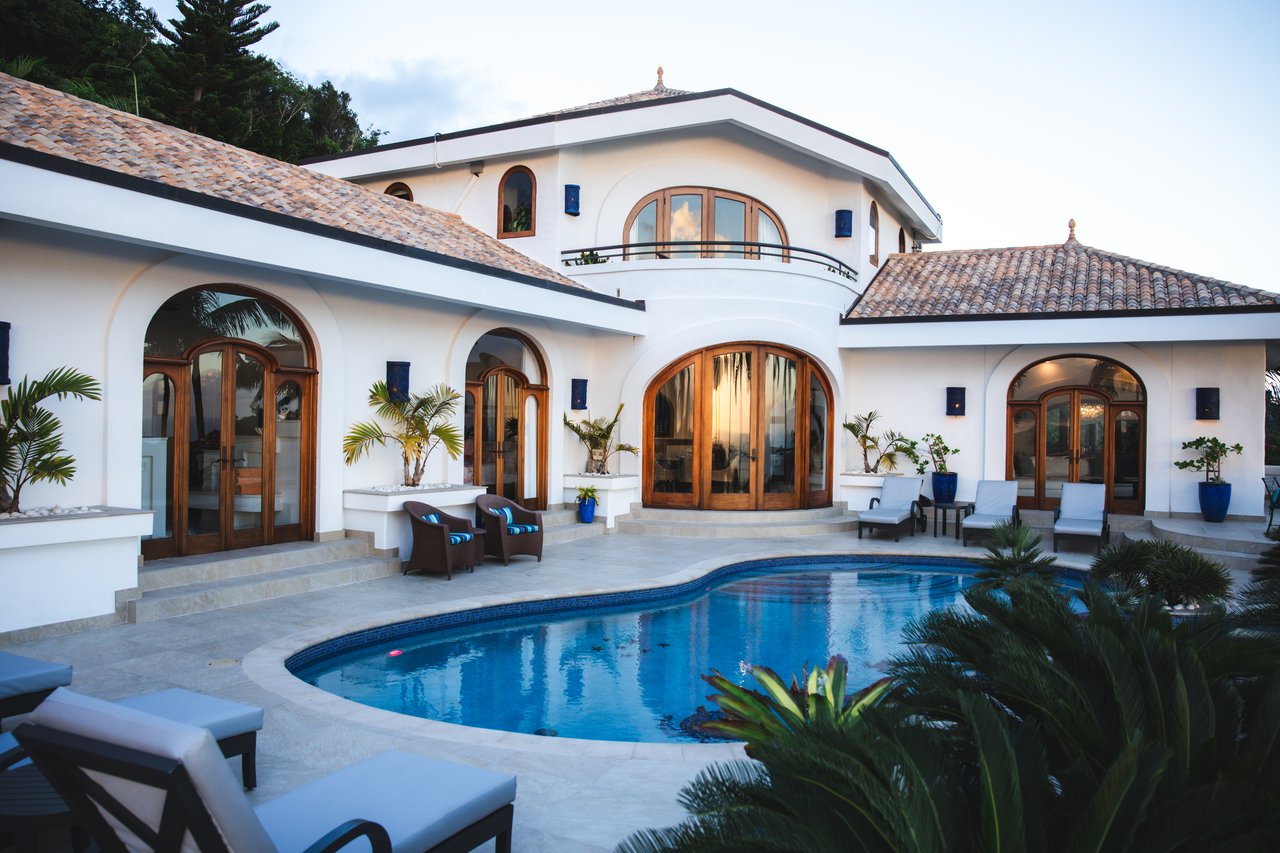
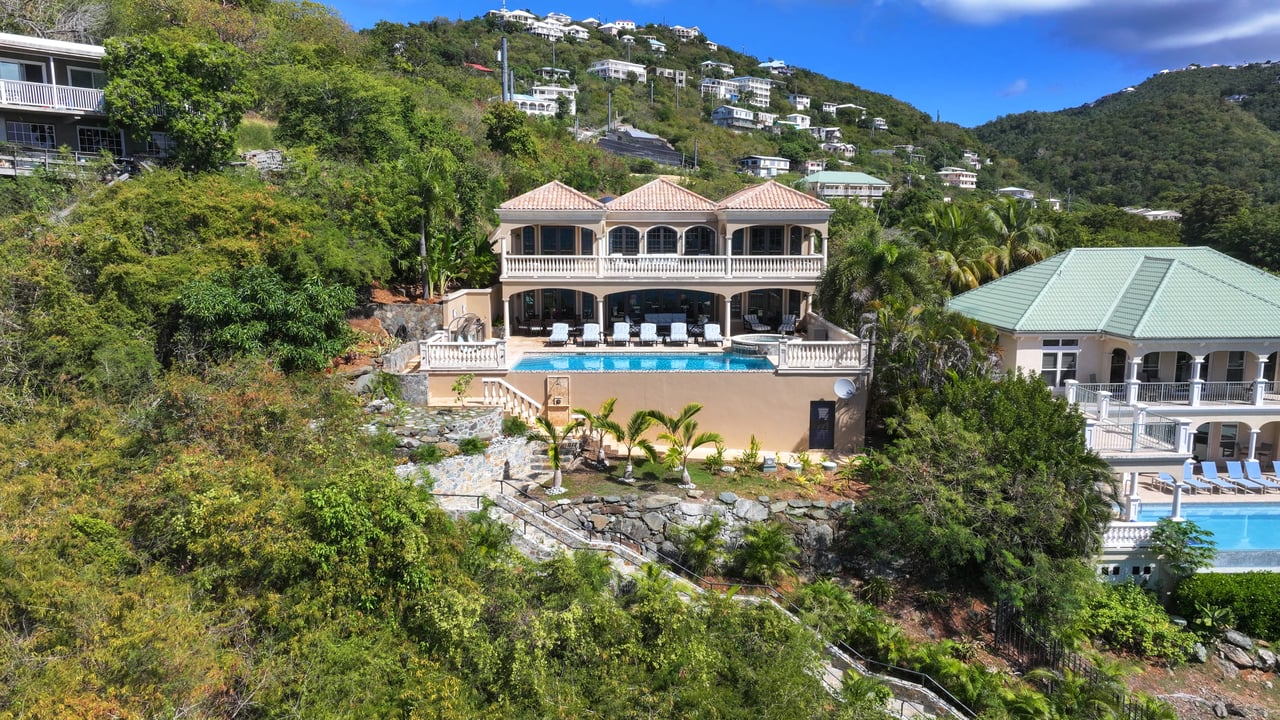
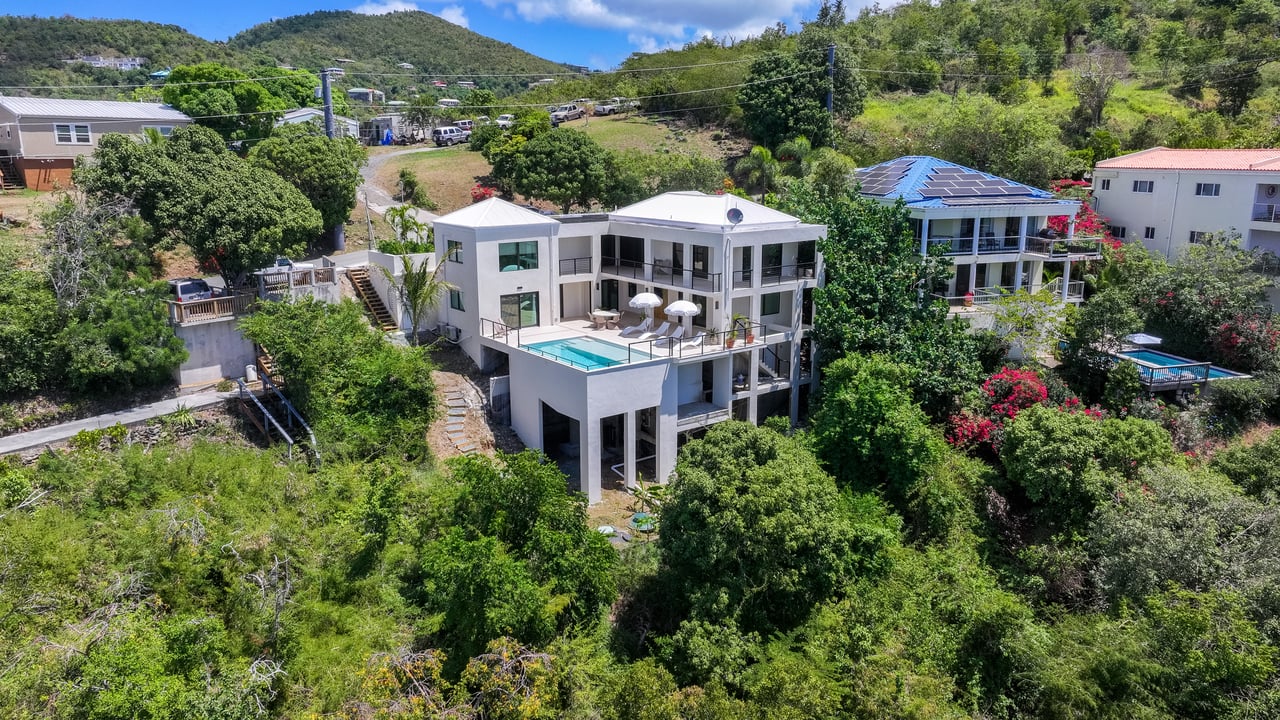
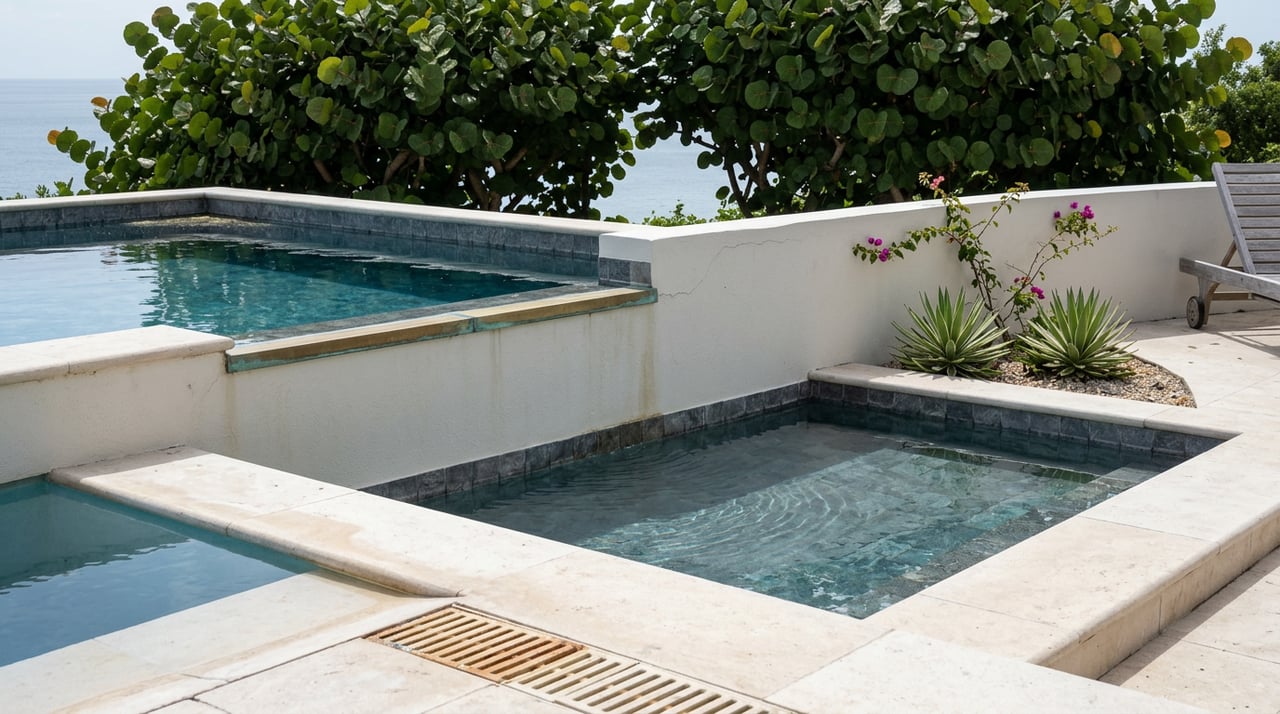
La Collina occupies a quiet hillside position above the harbor, oriented south-southwest for all-day sun and long sunset views toward St. Thomas. Tennis Villa sits directly on the peninsula dividing Great Cruz Bay from Chocolate Hole. Tre Vista Estate looks out over Great Cruz Bay, Chocolate Hole Bay, and Hart Bay simultaneously from a double infinity-edge pool. These aren't fractional interests. They're three of the actual, deed-holding properties that make up the freehold side of this neighborhood, and there simply aren't many more like them.
That's the whole comparison in one sentence. Hundreds of weekly intervals inside a resort footprint on one side, a handful of whole properties on a hillside on the other.
A Side-by-Side
| Westin Timeshare Interval | Freehold Hillside Villa | |
|---|---|---|
| Ownership type | Deeded week or right-to-use, varies by phase | Fee simple, whole property |
| Typical footprint | Studio to three-bedroom, up to roughly 2,850 sq ft | Full estate lot, multiple bedrooms |
| Annual carrying cost | Fixed maintenance fee, roughly $4,000 to $5,500+ | Property tax, insurance, upkeep, no fixed schedule |
| Use control | Fixed week or season, exchange programs | Owner's discretion year-round |
| Resale volume | High, hundreds of intervals trade annually | Low, a handful of freehold sales in a typical year |
Why the Island's Own Numbers Don't Rescue the Comparison
A buyer might reasonably try to zoom out and use St. John-wide data to make sense of Great Cruz Bay pricing. That doesn't work either, and the reason is worth sitting with.
A report covering the twelve months ending in January 2026 put total freehold home sales across all of St. John at 47, with an average selling price near $1.834 million and homes closing within about 9 percent of list price on average. Forty-seven homes, across the entire island, in a full year. Great Cruz Bay is one small bay inside that count. In many years, the freehold sales inside this specific pocket amount to a handful, sometimes none at all.
There's a second wrinkle. Market analysts comparing the three U.S. Virgin Islands in 2026 have pointed out that St. John's headline price figure is typically an average, not a median, in a market with low transaction volume and a wide spread of home values. That distinction matters here specifically, because one large estate sale on the island can swing the average enough to make any given neighborhood's number meaningless as a stand-alone comparison. St. Thomas, by contrast, had enough Q1 2026 transaction volume to report a true median sold price of $450,000, with single-family homes at a median of $737,000 and average days on market climbing to roughly 210. That's what a statistically stable market looks like. Great Cruz Bay, wedged inside a low-volume island market, doesn't produce numbers like that, and pretending it does is where most portal-level comparisons go wrong.
What This Means If You're Comparing Bays
If Great Cruz Bay is one of several neighborhoods on your list, the fix is simple but easy to skip. Ask whatever source you're using, a listing sheet, an agent, a market report, to separate timeshare-interval inventory from fee simple listings before drawing any conclusion about "average price" in the neighborhood. Ask how many freehold sales actually closed in that specific pocket over the past year, not the island-wide figure. And treat the two carrying-cost structures as different currencies entirely. A maintenance fee on a Westin week and a property tax bill on a hillside villa aren't measuring the same kind of ownership, so a side-by-side dollar comparison between them tells you very little.
The scarcity on the hillside above Great Cruz Bay isn't a marketing angle. It's a function of how little freehold land exists there relative to how much timeshare inventory sits below it.
A Couple of Questions Worth Asking Directly
Does buying a timeshare interval at the Westin count as owning real estate in the U.S. Virgin Islands? It's a real ownership stake, deeded in the Virgin Grand phase and structured as right-to-use in the others, but it isn't the same as fee simple ownership of a house and lot. A fixed week, a recurring maintenance fee, and no control over rental terms separate it from full ownership in every practical sense.
Why do the hillside villas price at a premium when Westin resale intervals sit at a fraction of the cost? Because they aren't competing for the same buyer. A freehold villa purchase is a bid on one of a handful of whole properties on a small peninsula. A timeshare resale is a bid on one of several hundred weekly intervals inside a resort footprint. Scarcity, not proximity to the resort, is what sets the freehold price.
Untangling which St. John neighborhood actually fits a buyer's goals, whether that's a personal retreat, a rental investment, or both, takes more than a portal search. If you're weighing Great Cruz Bay against another stretch of the island, Bonvi Hospitality Group can walk through what's actually available to own here, freehold or otherwise, and what it costs to hold once the closing is done. Let's Connect.