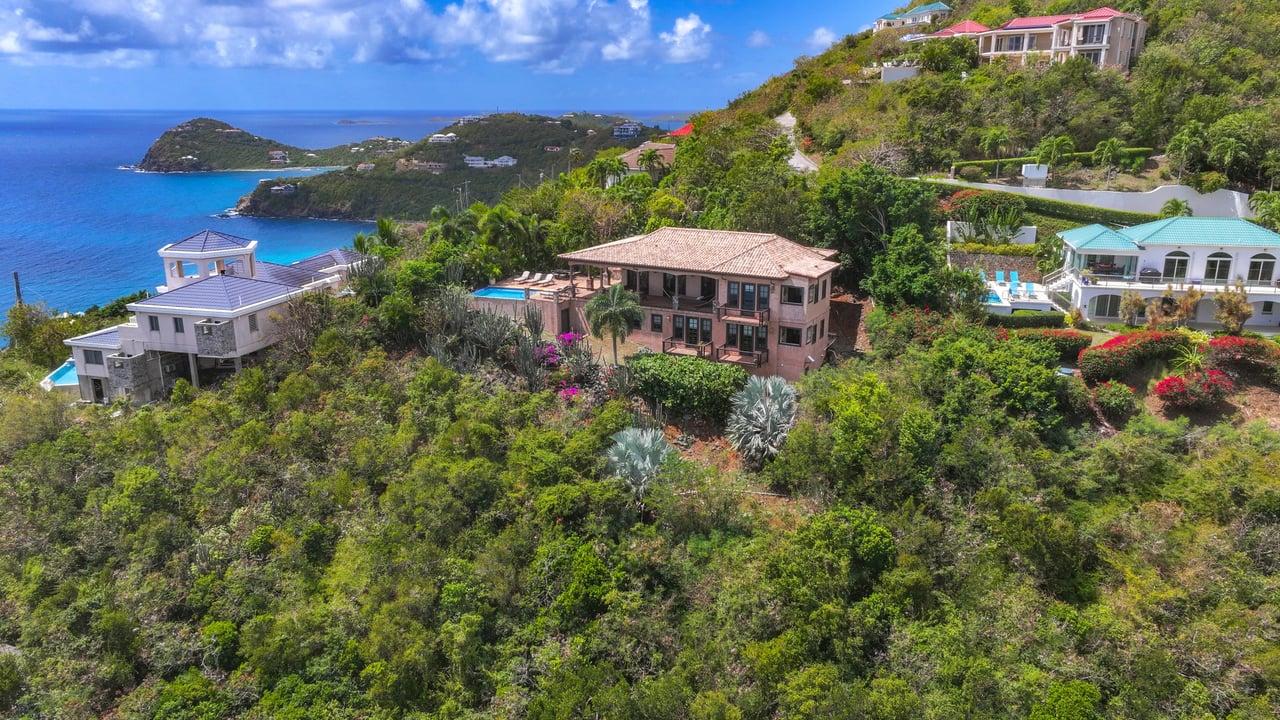
A half-acre lot near Hansen Bay comes up for sale, roughly a hundred feet from the sand, zoned R-2 with room for up to four units. The listing reads like every other raw parcel on St. John's East End: sunrise views, water proximity, a price per acre that looks reasonable against what similar lots have sold for. A buyer runs the math on land cost, maybe adds a rough construction estimate from a mainland contractor friend, and figures they know what this project costs.
They don't. Not yet. The number that actually determines whether that lot is a good buy doesn't show up until after closing, when someone has to answer a question the listing never asks: how is this house going to get water, and how is it going to keep the lights on.
The Water Line Nobody Prints on the Listing
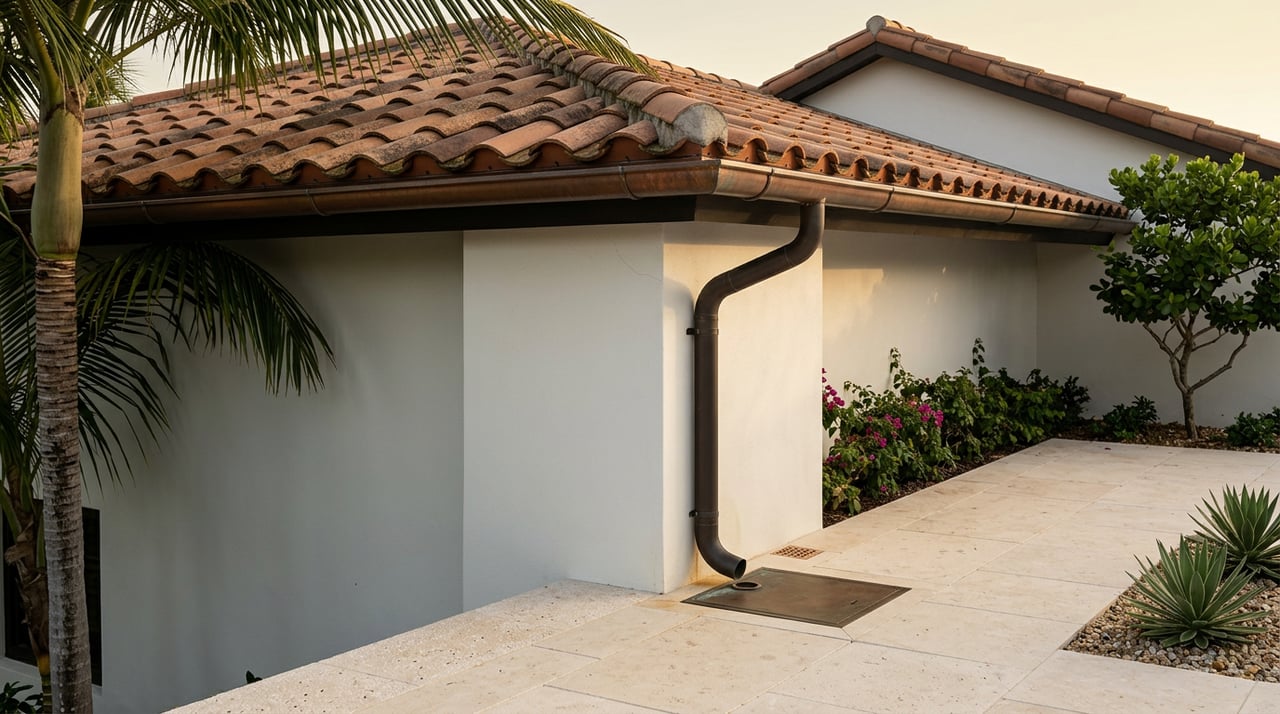
Under Title 29, Section 308 of the Virgin Islands Code, every dwelling not connected to WAPA's verified potable water system has to be built with a cistern sized to the roof. The formula is fixed: 10 gallons of cistern capacity for every square foot of roof on a single-story home, 15 gallons per square foot on a two-story home, with an absolute floor of 2,000 gallons regardless of how small the house is. That math is not negotiable and it is not an estimate. It is code.
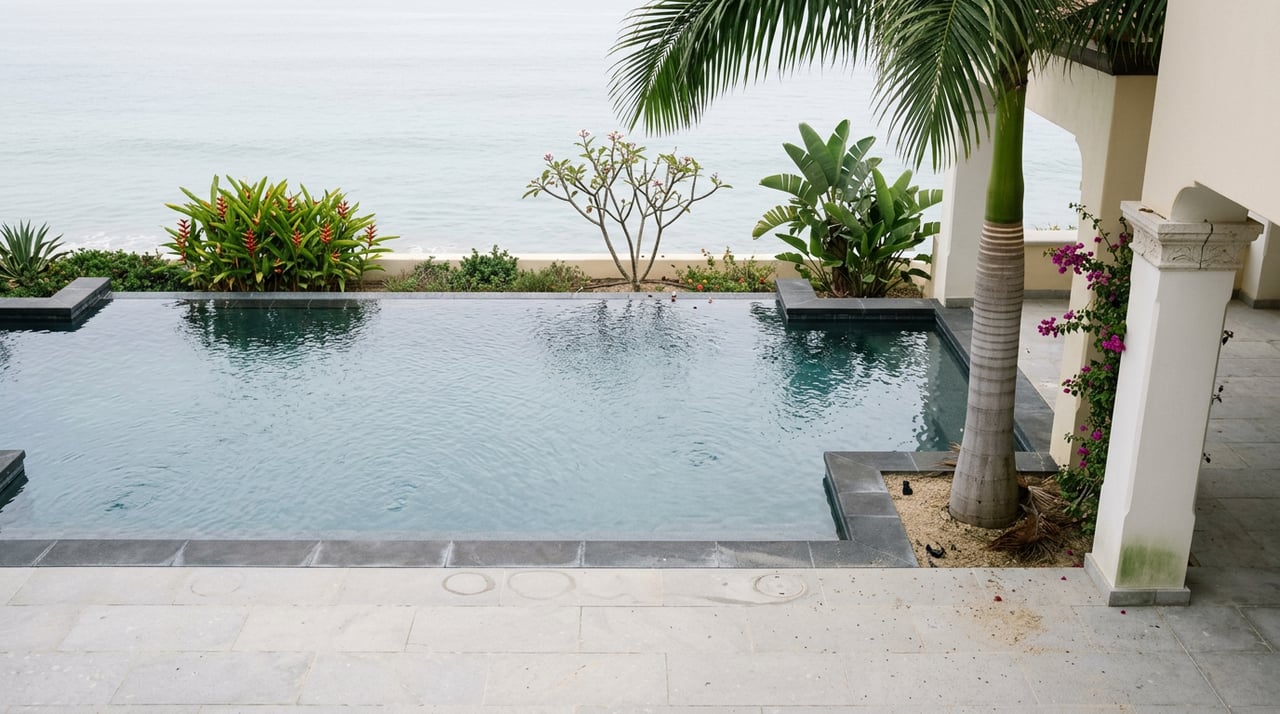
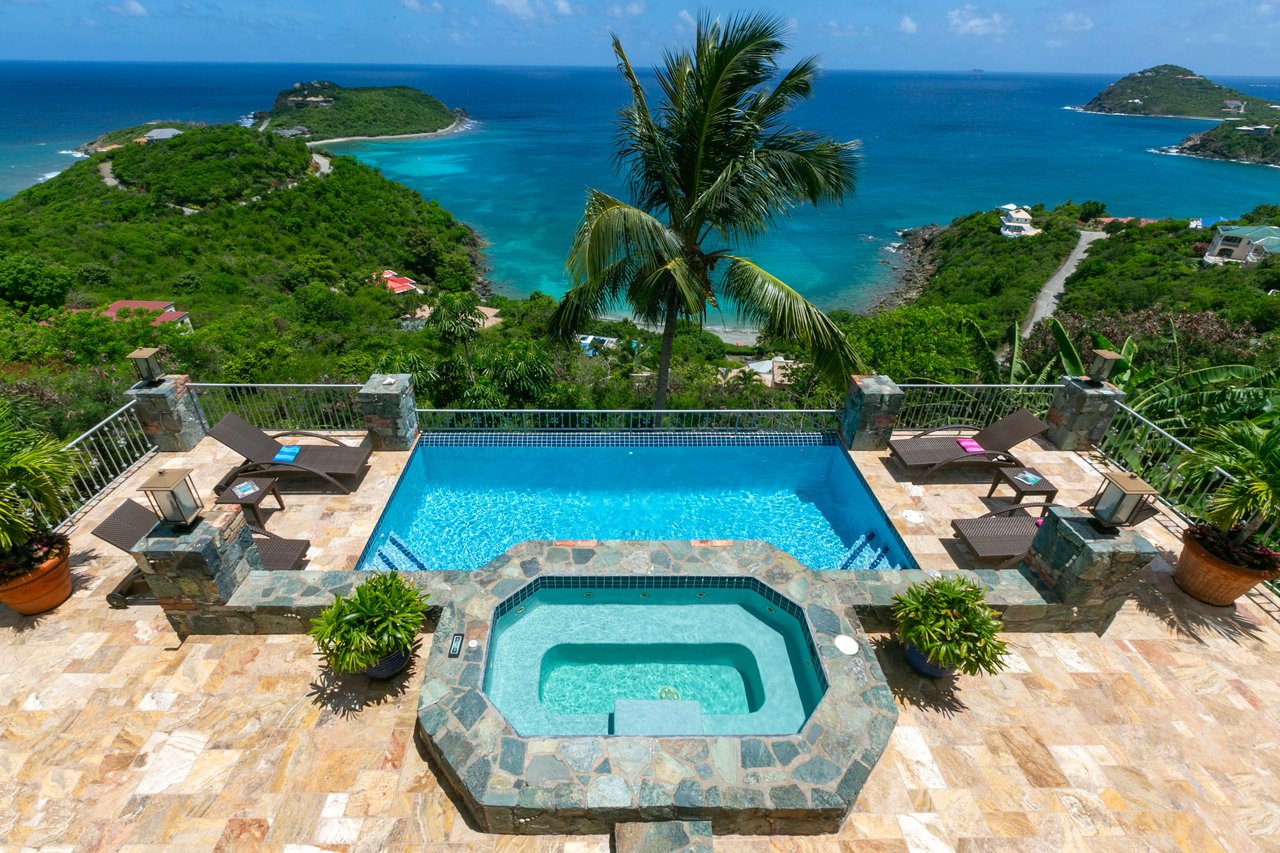
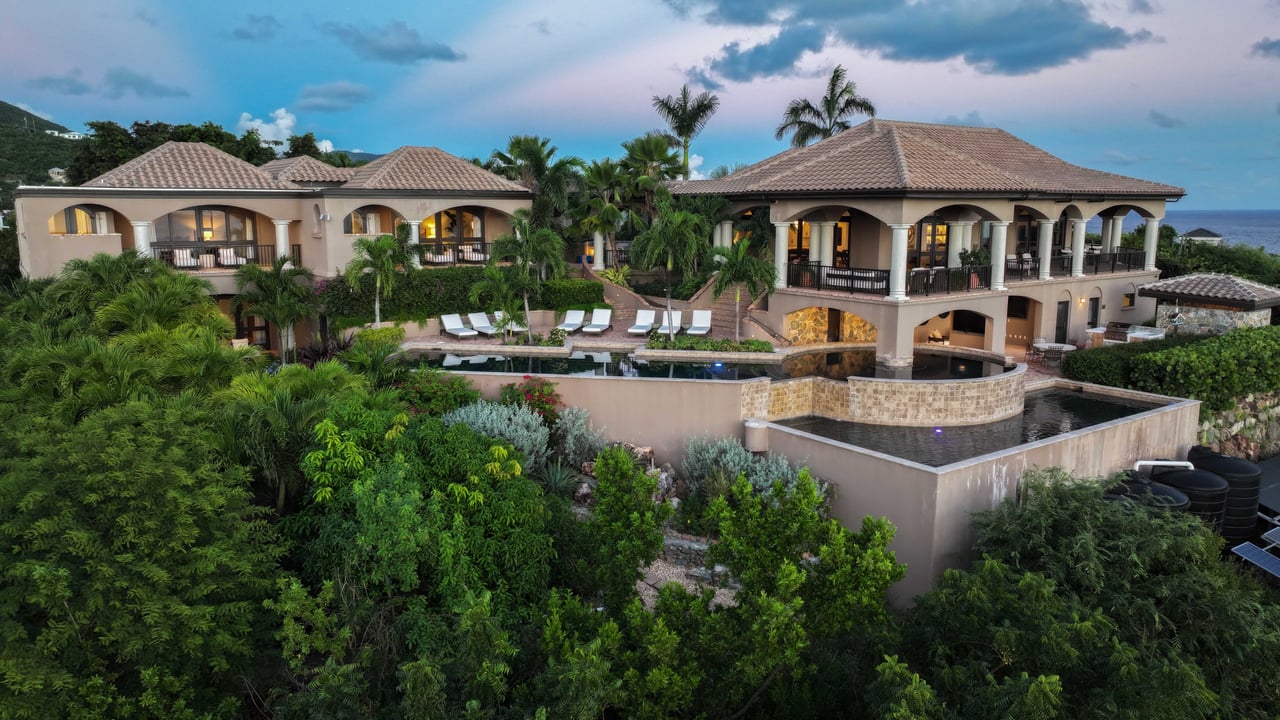
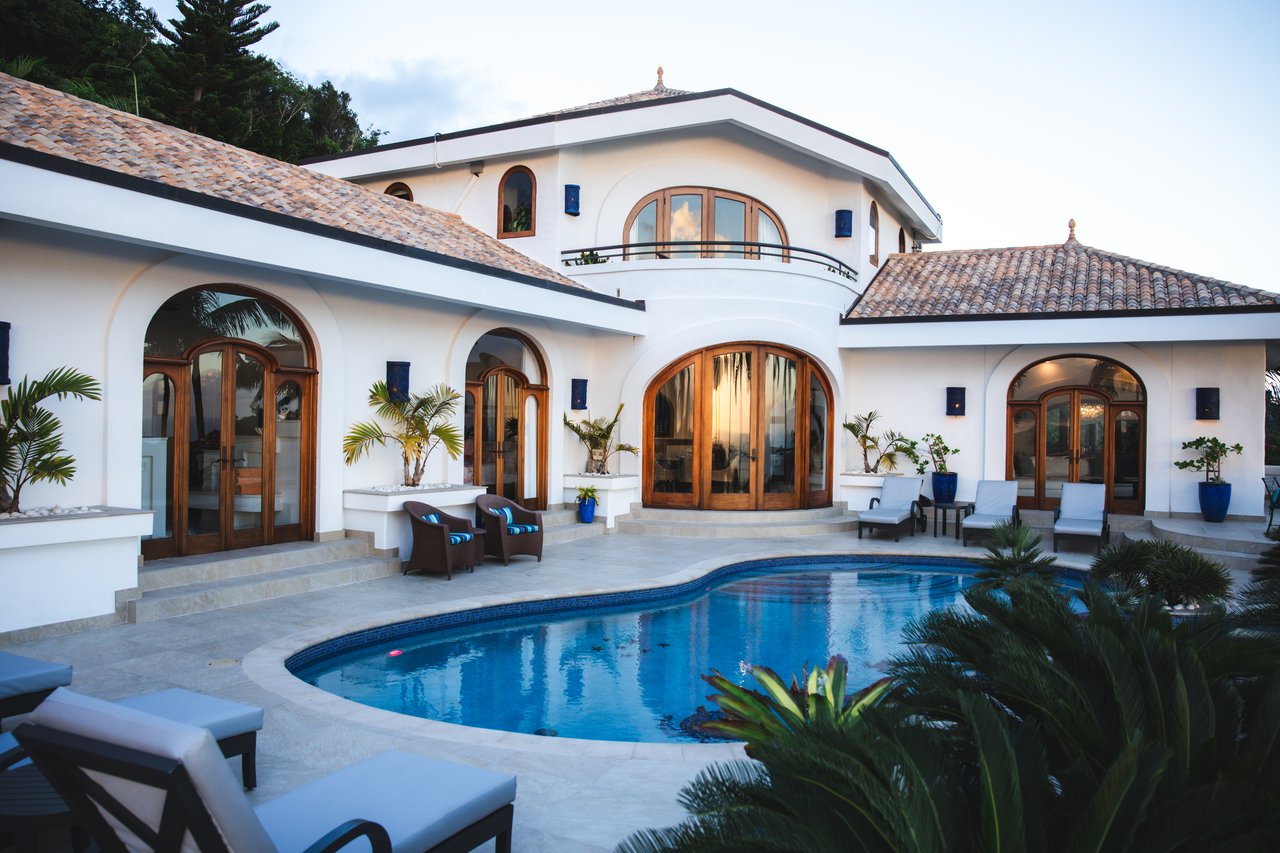
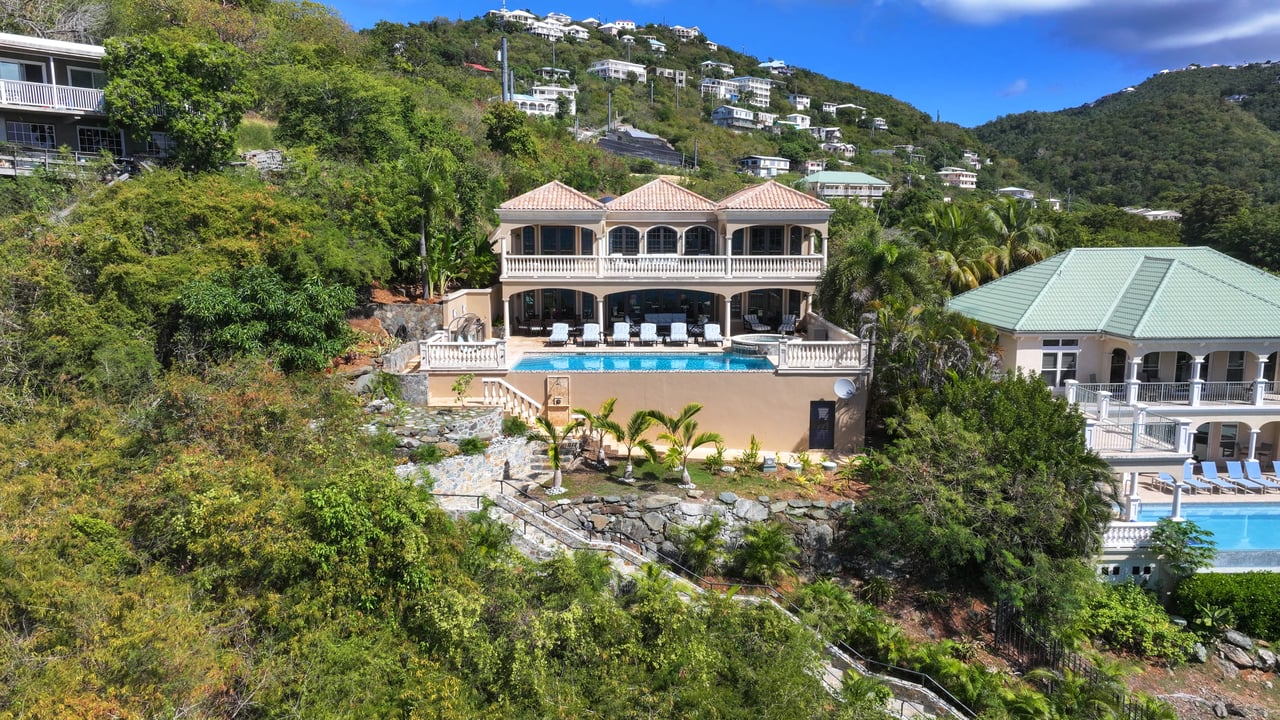
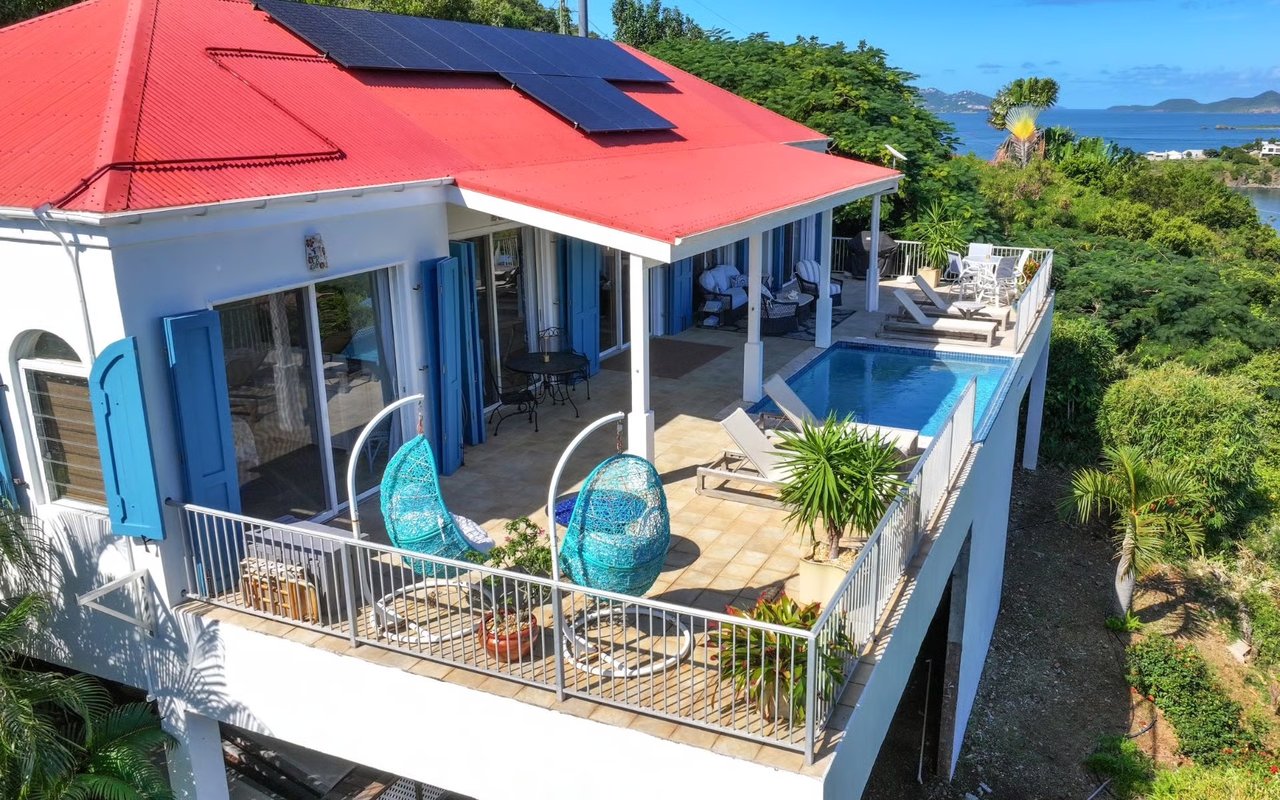
Now add a pool, which on East End's water-view lots is close to assumed rather than optional. A standard residential pool holds somewhere between 15,000 and 25,000 gallons. A typical residential cistern holds 10,000 to 20,000 gallons. Run those numbers side by side and the problem is obvious: a pool alone can hold as much water as the entire house needs. That is why most villa builds on St. John budget a second, dedicated cistern just for the pool rather than drawing it down from the home's supply. Complete pool budget envelopes, including cistern, decking, and permitting, typically run $120,000 to $200,000 on a standard lot and $200,000 to $350,000 on a hillside lot requiring infinity-edge construction and rock excavation, according to spring 2026 estimates from a USVI-focused design and build guide. And for any waterfront parcel, which describes a large share of what's listed on East End right now, Coastal Zone Management review applies to the pool footprint, and the coastal setback line can leave certain lots with no buildable pool envelope at all.
Here's what that means in practice for a lot like the 2.07-acre East End parcel currently listed with water frontage and sunrise views toward Tortola and Virgin Gorda: the acre price gets you the land. It does not get you the water system, and it does not tell you whether the coastline itself will let you build the pool the listing photos imply.
| What the listing shows | What the code actually requires |
|---|---|
| Single-story home | 10 gallons of cistern capacity per sq ft of roof |
| Two-story home | 15 gallons of cistern capacity per sq ft of roof |
| Any dwelling, regardless of size | 2,000-gallon cistern minimum |
| Add a pool | 15,000 to 25,000 more gallons, usually a second cistern |
2026 Is the Year the Power Math Stopped Being Theoretical
The water side of this equation has been true for decades. What changed in 2026 is that the power side became impossible to ignore, and the timeline is worth walking through because it did not resolve itself.
In March 2026, a transmission line partially cut near the cable landing at Red Hook, on St. Thomas knocked out power to more than 3,400 St. John customers, and WAPA said the damage appeared deliberate. A separate outage that same month was traced to a fault at the substation on the St. Thomas side of the system that feeds the submarine cable connection to St. John. Every one of these failures is a reminder that St. John's power, wherever you live on the island, actually starts somewhere else. The following week, at a public town hall called to address the failures, WAPA CEO Karl Knight tried to explain the utility's financial position to a room of frustrated residents.
"We lose money on every single barrel of oil that we purchase."
That's not a metaphor for St. John's grid problems. It's the actual operating math a utility with a 22-cent fuel rate reported against a real generation cost north of 25 cents per kilowatt hour, as detailed in reporting from that same period.
By June 2026, Knight told WAPA's board the utility was working on a fix: acquiring 10 megawatts of standby generation for St. John through Caterpillar units sourced with Wagner Power Systems and MacAllister Machinery, tested on May 22 and shipped from Wisconsin, specifically to avoid future rotational outages on the island. Then in July, WAPA completed two long-planned infrastructure projects: the Feeder 13 Bypass and the Ridge Road/Cabrita Point Distribution Circuit Redundancy Project, which reconnected a submarine distribution cable to St. John's grid that had been offline since Hurricanes Irma and Maria in 2017. The work required planned overnight outages on July 13 and 14.
Within a day of that work wrapping, an unplanned districtwide outage hit anyway, when two generating units at the Randolph Harley Power Plant went offline during the restoration effort. And as of the first week of August 2026, WAPA reported yet another districtwide outage across St. Thomas and St. John after losing generation during an attempt to bring Unit 15 online. This is not a spring anomaly a buyer can wait out. It's a pattern that has run continuously from March through the week this piece was written.
Why East End Feels This More Than a Cruz Bay Lot Does
None of this is unique to East End. A districtwide outage hits every feeder on the island the moment the failure originates back at the Randolph Harley Power Plant or on the St. Thomas side of the transmission system, regardless of which St. John neighborhood you're standing in. But the practical burden of East End's distance from Cruz Bay shows up in a quieter way: water delivery. When a cistern runs low during a dry stretch, a truck has to bring water in, and island supply guides have long noted that reaching Coral Bay already costs more than delivery within Cruz Bay itself, simply because of the added distance. East End sits farther down that same road than Coral Bay does, so if a cistern runs dry, expect the delivery premium to reach an East End lot to be among the highest on the island, not the lowest.
The other East End-specific detail worth checking before an offer: not every parcel is raw acreage. Some St. John land listings specifically advertise paved roads and underground utilities already in place, which is a meaningful selling point precisely because plenty of comparable lots don't have either. That distinction rarely shows up in the headline price, but it changes the capital stack substantially, since a lot without road or utility infrastructure adds site work costs before the cistern and solar numbers even enter the picture.
Before writing an offer on an East End parcel, it's worth confirming a short list of things the listing photos won't answer:
- Is the lot already connected to WAPA's grid, or does it require a new line extension
- What roof footprint are you actually planning, since that number drives the cistern size under Title 29 §308
- If a pool is part of the plan, is there room on the parcel, and clearance from the coastal setback line, for a second dedicated cistern
- Is this a subdivision lot with paved roads and underground utilities, or truly raw acreage
- What does water delivery cost if the cistern runs low during a dry season, given the added distance from Cruz Bay
Solar Stops Being an Upgrade at This Rate
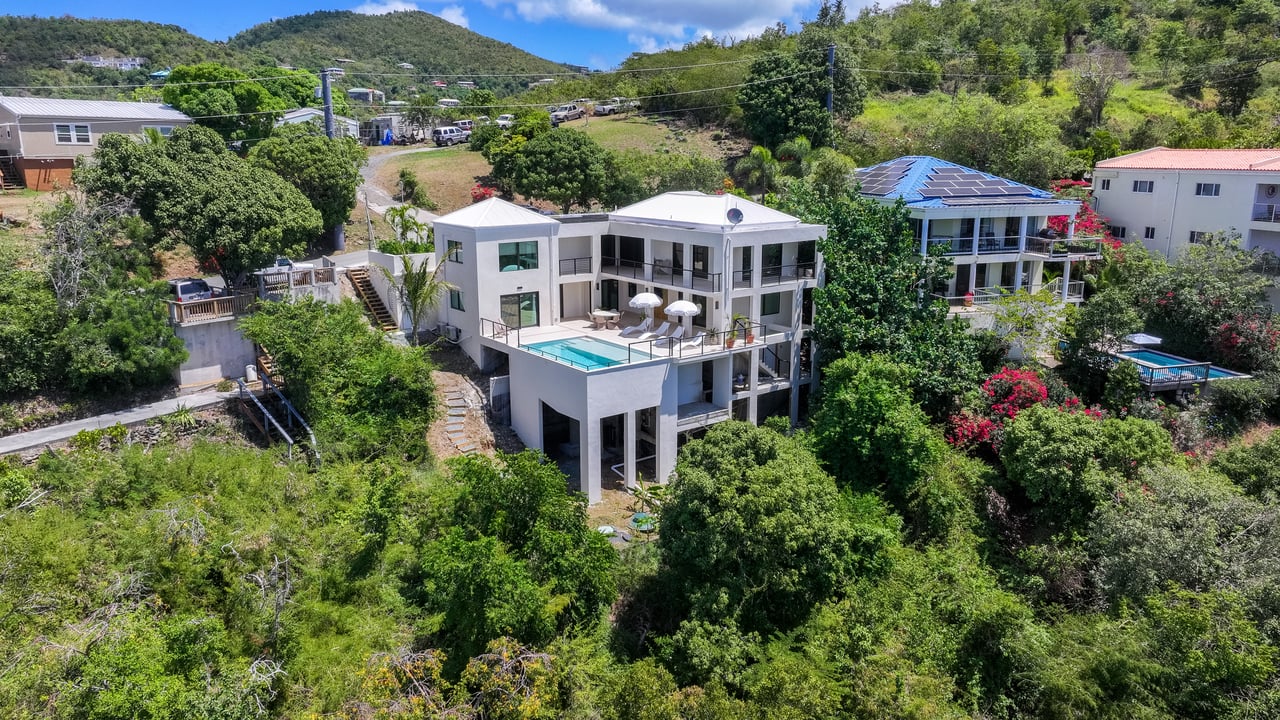
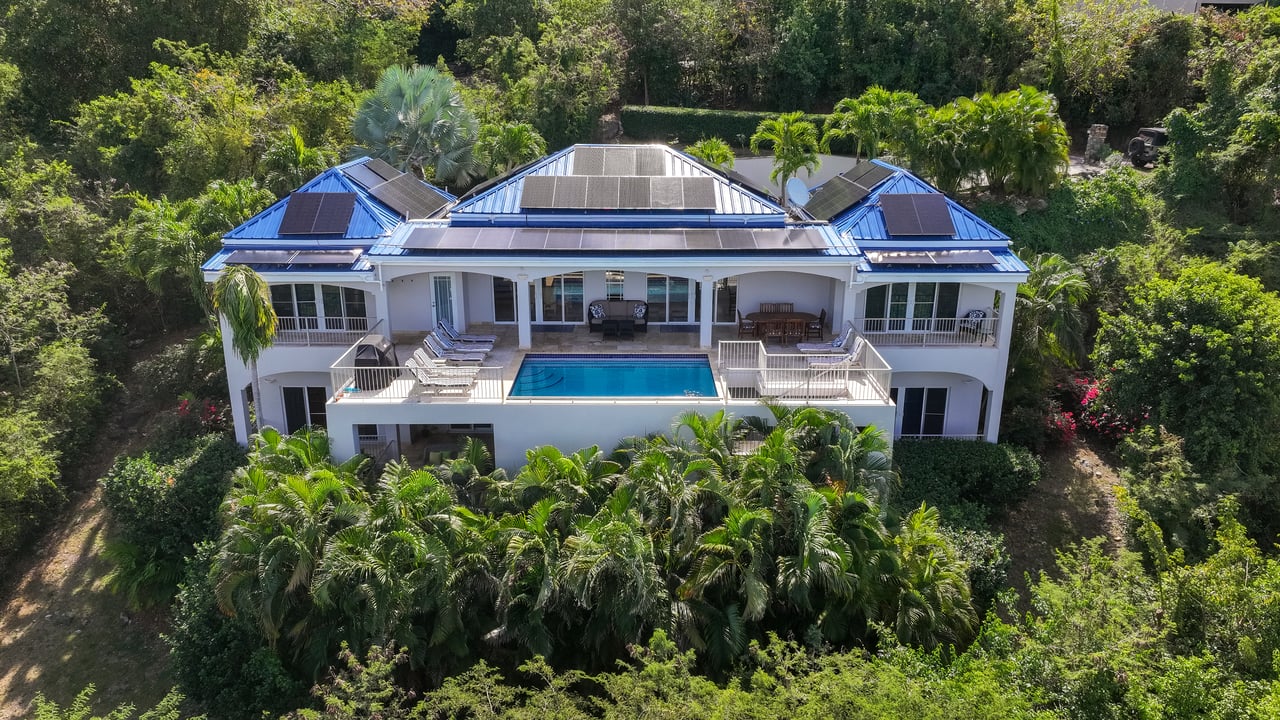
Residential electricity from WAPA runs roughly 43 to 47 cents per kilowatt hour, about two to three times the US mainland average. Pair that rate with a year of documented rotational outages, vandalism-related failures, and generation trips that have continued into August, and solar paired with battery storage stops looking like a discretionary upgrade. At these rates it pays for itself faster than it would almost anywhere on the mainland, and for anyone planning to operate the property as a rental, a grid outage during a guest stay is a service failure, not just an inconvenience.
The Number That Actually Matters
The acre price on an East End listing is the opening figure in a much larger conversation with the island itself. The real cost of ownership is the acre price plus a code-compliant cistern, plus a second cistern if a pool is part of the plan, plus a solar and battery system sized to actually carry the house through a rotational outage, plus whatever site work an unimproved lot requires before any of that can be installed. Two lots at the same price per acre can carry very different totals once that stack gets built out, and the only way to know which one you're looking at is to ask the specific questions above before making an offer, not after.
Does every home on St. John legally need a cistern? Only if it isn't connected to WAPA's verified potable water system. Much of East End's less built-out grid still relies on cisterns as the primary water source, so assume you'll need one unless a specific lot proves otherwise.
Can a pool share the home's cistern instead of getting its own? Not practically. A pool can hold as much water as the entire house needs, which is why most villa builds on St. John budget a dedicated pool cistern rather than risking a dry house supply.
Is WAPA's reliability actually improving in 2026? Real infrastructure work did happen, including the Feeder 13 Bypass and the Cabrita Point circuit redundancy project completed in July. But an unplanned outage hit within a day of that work finishing, and another districtwide failure was reported in early August. Treat solar and cisterns as standing infrastructure, not insurance against a rare event.
Land on St. John rewards buyers who do this math before they own it, not after. If you're weighing a parcel on East End against the true cost of building on it, Daniel Boudreau and Bonvi Hospitality Group can walk through the specific lot, the specific build, and the specific numbers with you. Let's Connect.