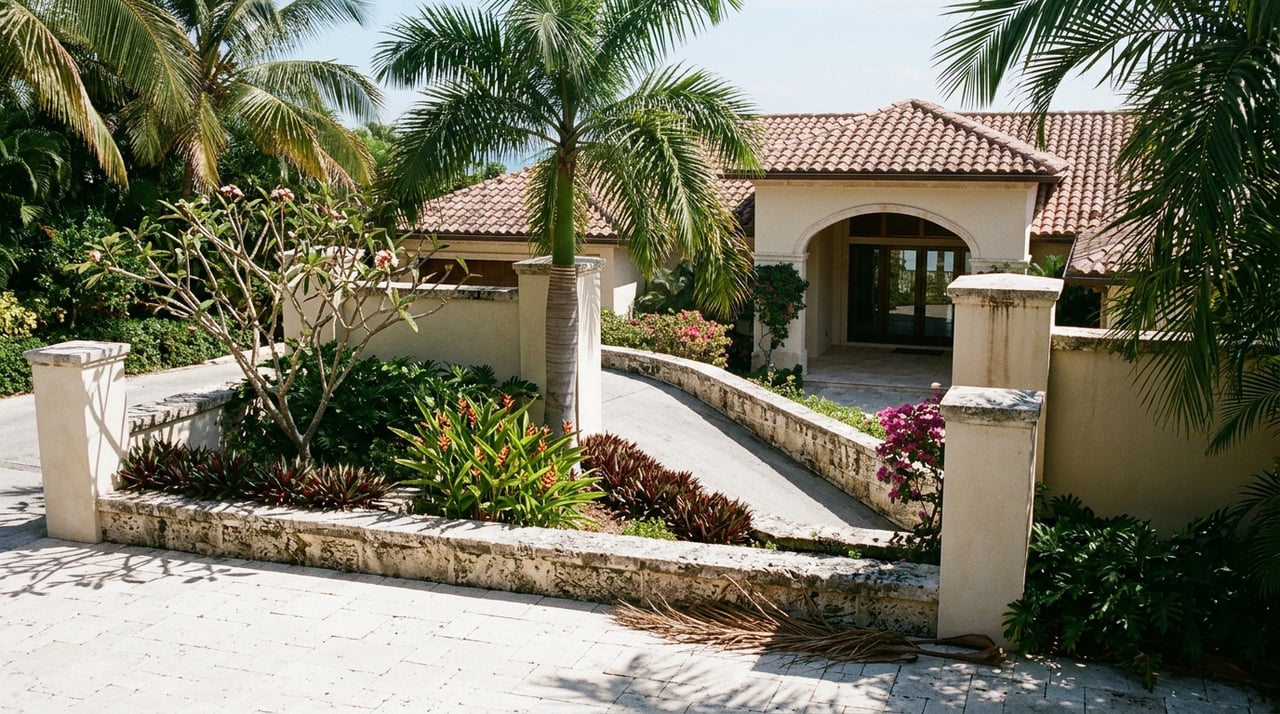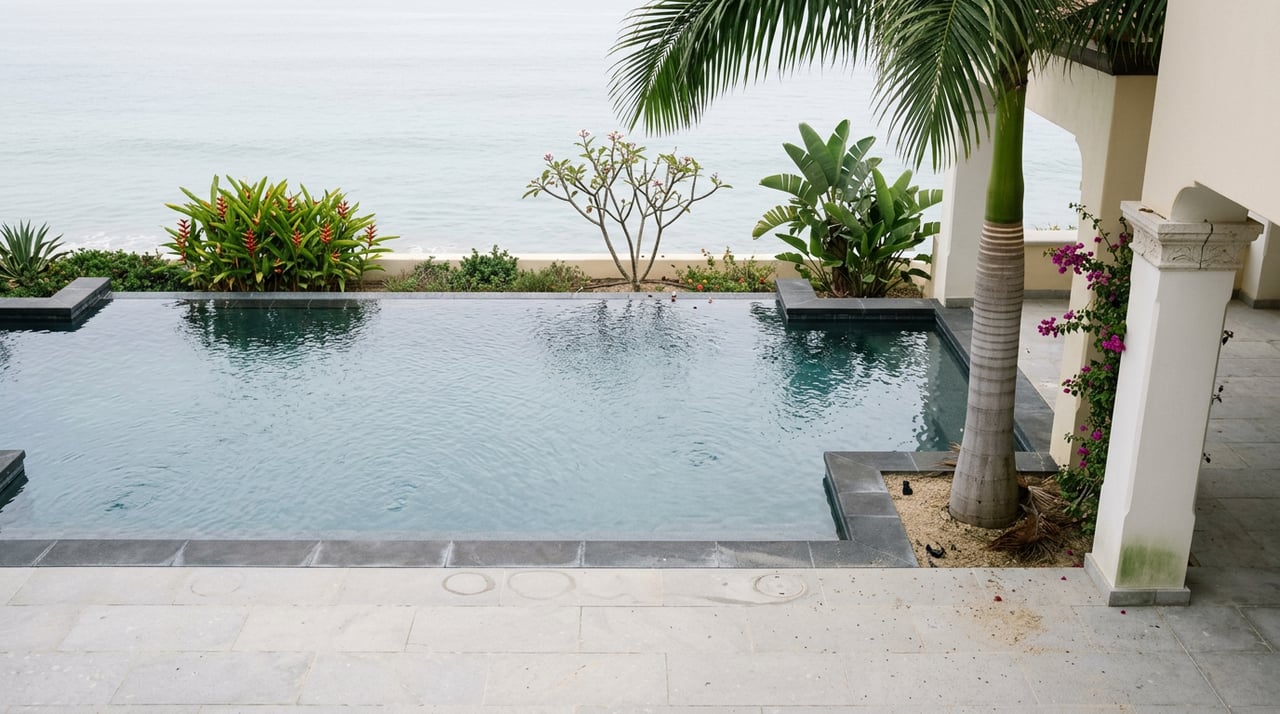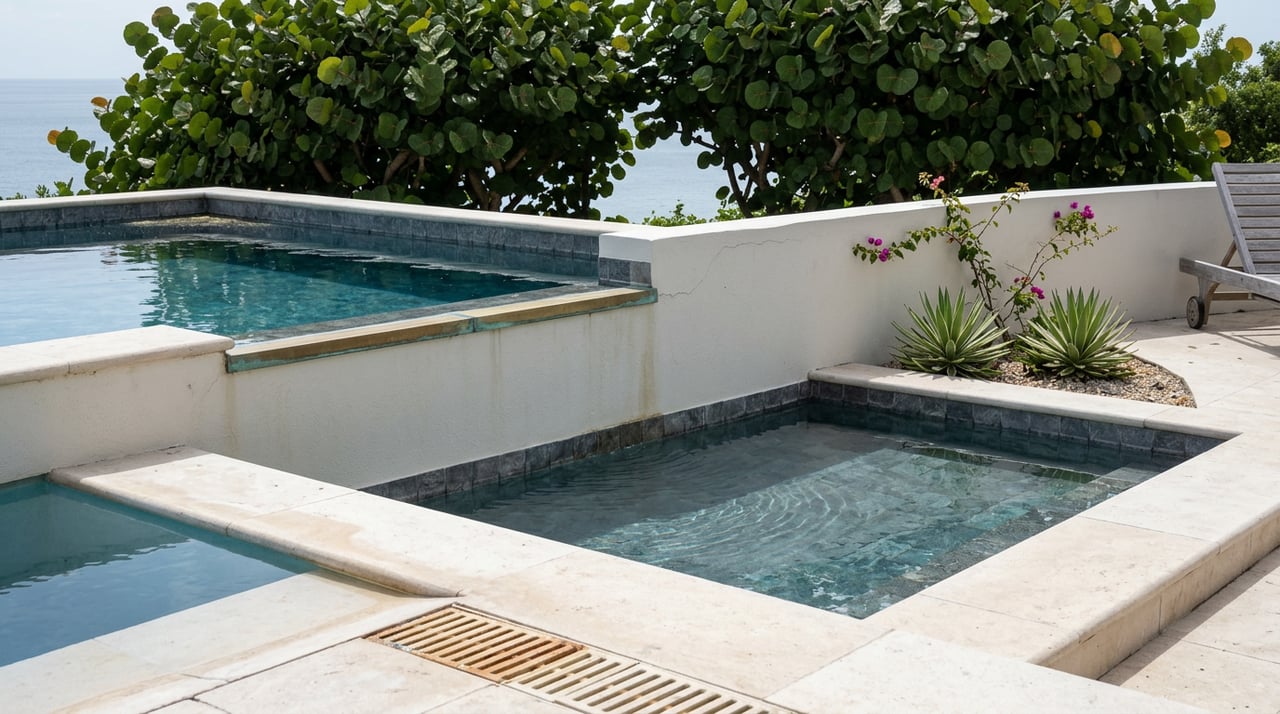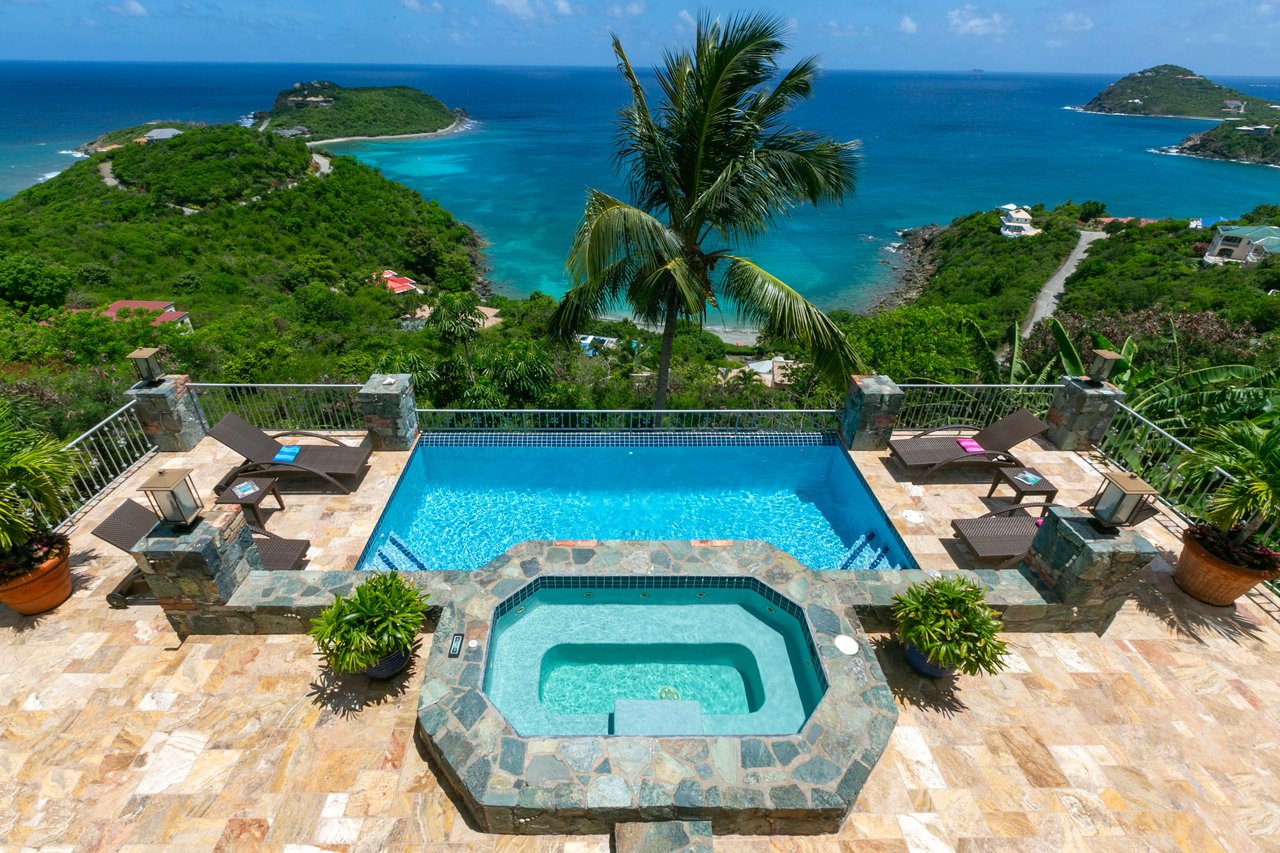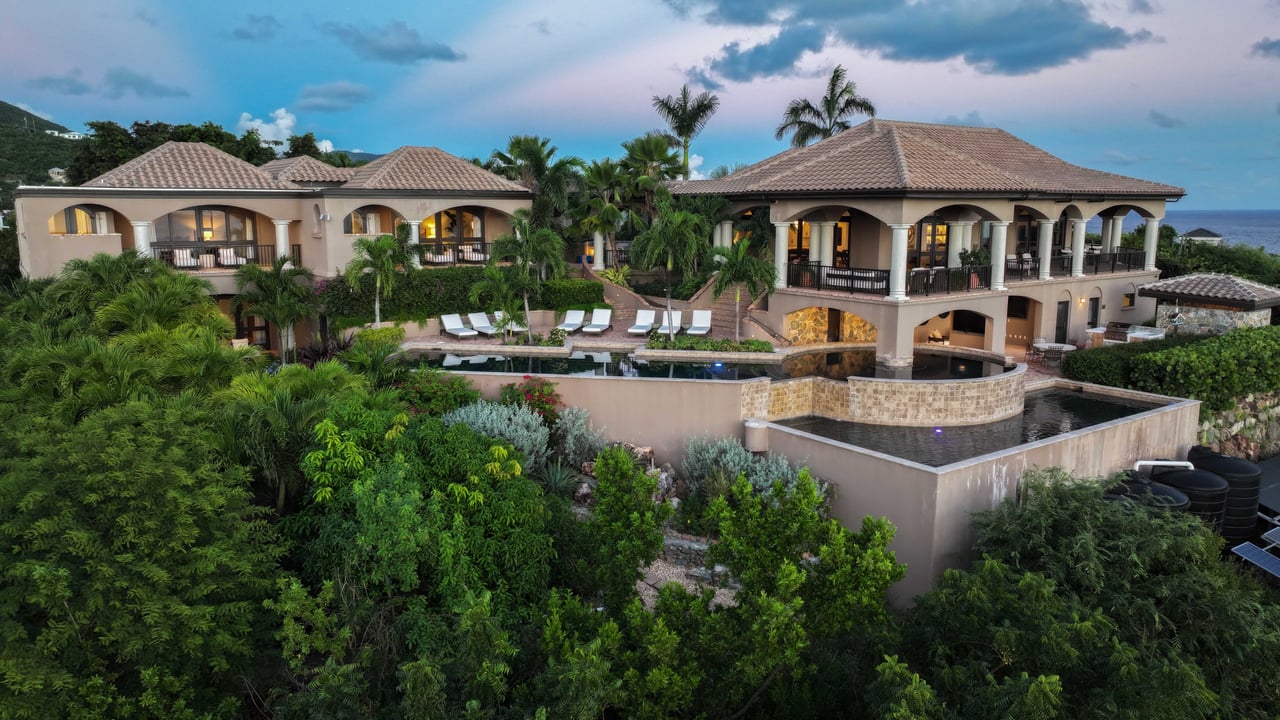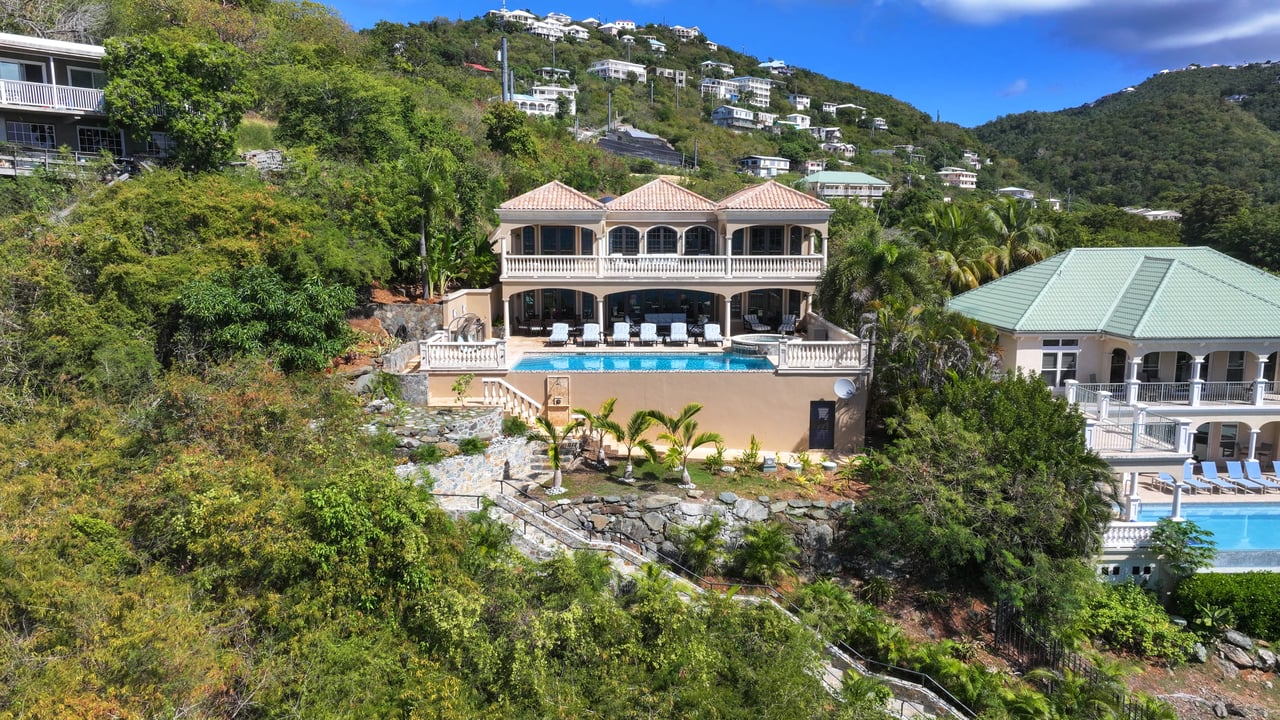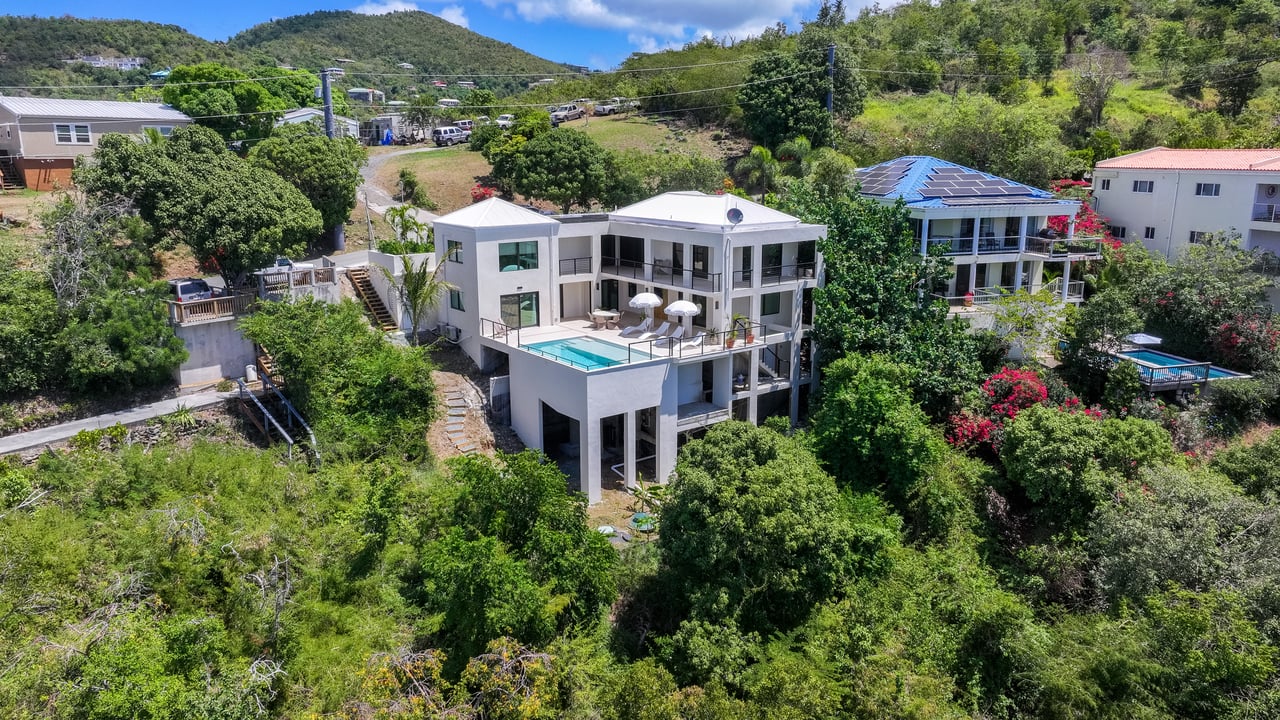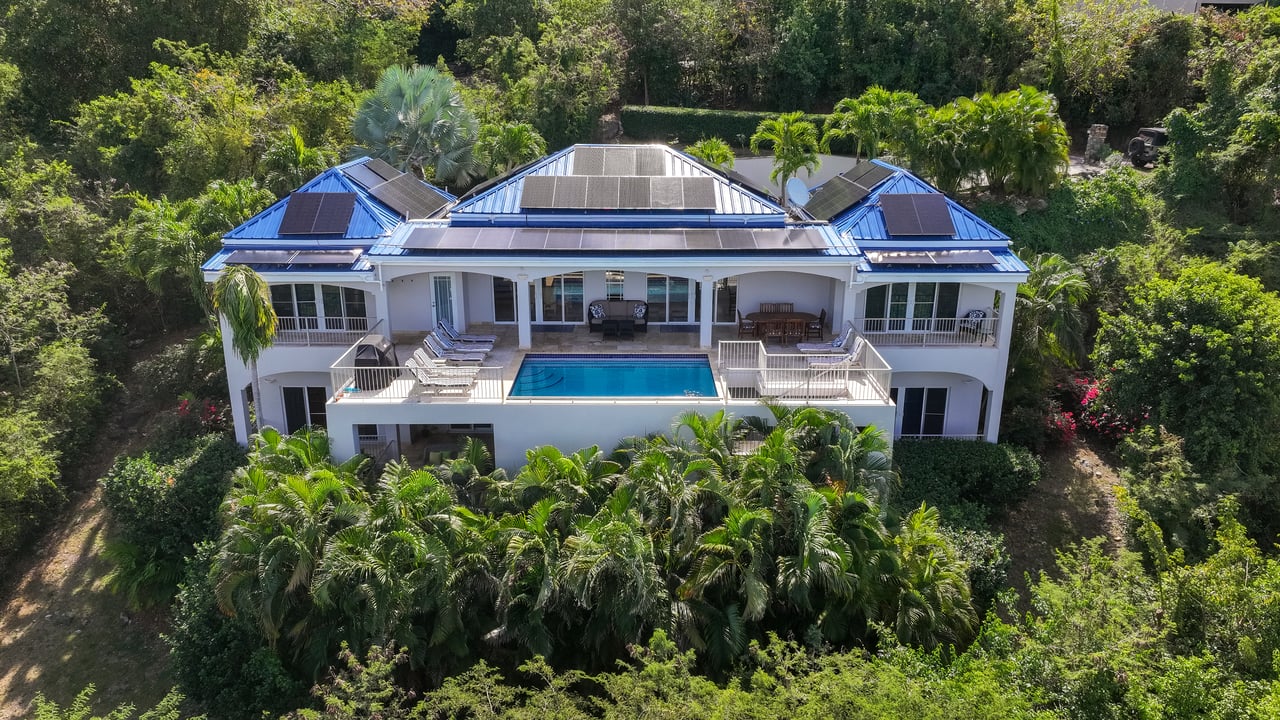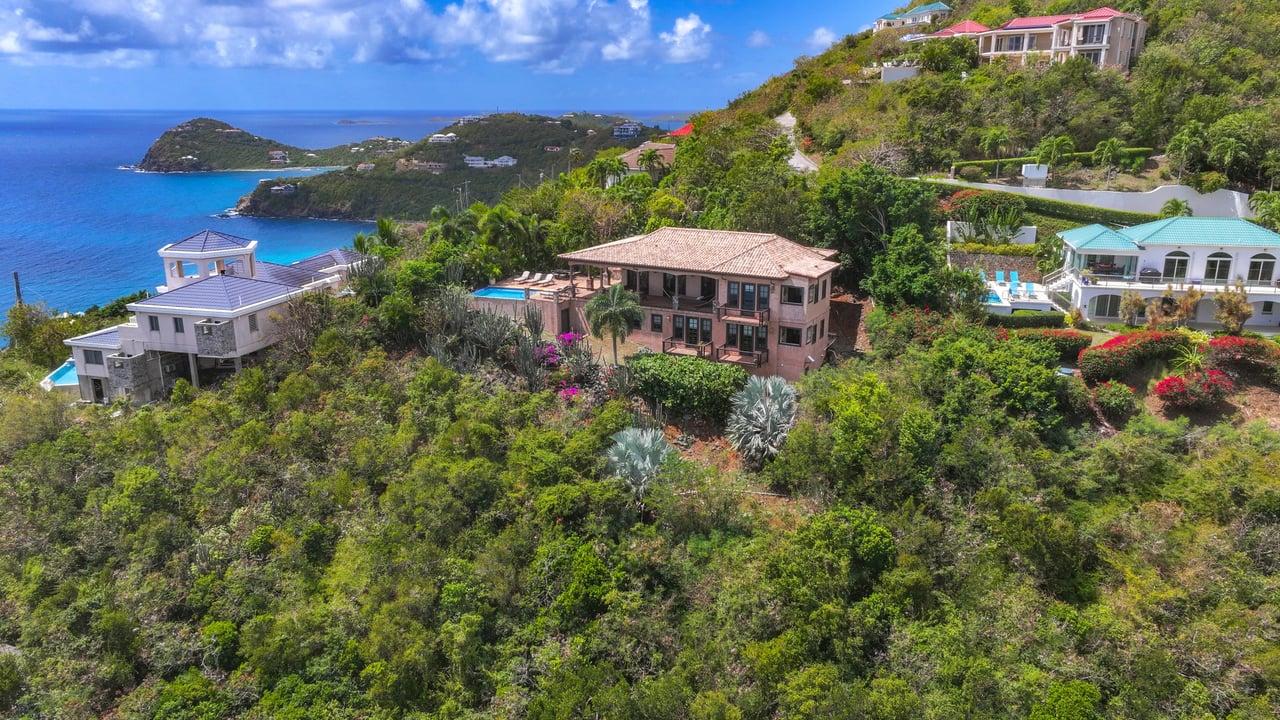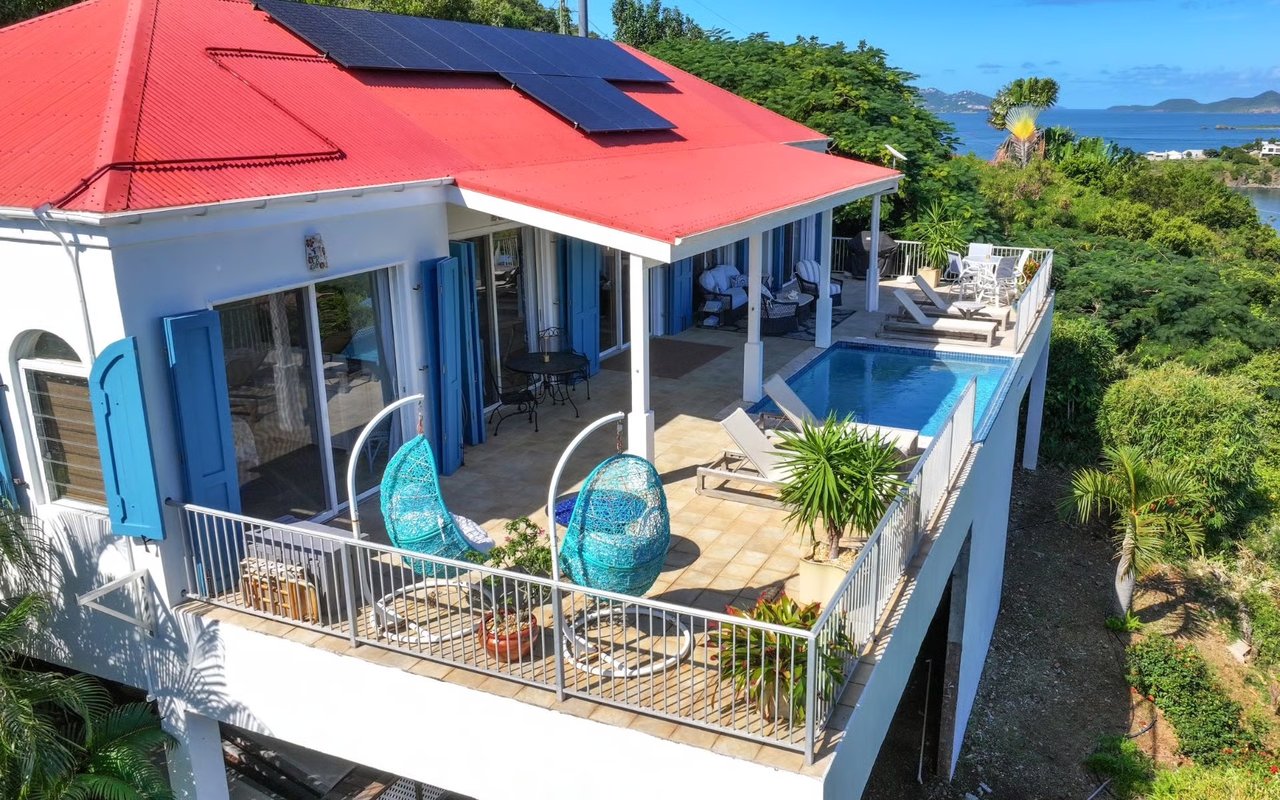
If you are considering Peter Bay, you are likely not just buying a villa. You are buying into a very specific kind of ownership on St. John, where beach adjacency, recorded rights, and property rules can shape your experience as much as the architecture or the view. The good news is that with the right due diligence, you can evaluate Peter Bay clearly and confidently. Let’s dive in.
Why Peter Bay deserves closer review
Peter Bay stands apart from many other luxury villa areas on St. John because ownership here is deeply tied to the subdivision’s recorded structure. Court records describe Peter Bay as a planned subdivision with protective covenants intended to create uniform restrictions that run with the land for the benefit of owners. In practical terms, that means your purchase is not only about the home itself, but also about the parcel’s recorded obligations and rights.
For many buyers, that structure is part of the appeal. Peter Bay can offer a more curated, rules-based luxury setting, which may feel very different from a more flexible hillside villa purchase elsewhere on the island. If you value order, consistency, and clearly defined expectations, that may be a strong fit.
Start with title, covenants, and easements
Before you focus on finishes, furnishings, or rental projections, start with the documents. In Peter Bay, recorded covenants, easements, road access rights, and title exceptions can materially affect both your use of the property and its long-term value. This is one of the most important parts of evaluating a purchase here.
A Third Circuit case involving Peter Bay highlighted how much easement language can matter. The court summarized a beachfront easement dispute and noted that, for certain waterfront parcels, the easement extended from the shoreline to roughly the vegetation berm or about 50 feet inland. It also noted that the size of an easement can materially affect value and utility.
That is why a listing description should never be your only source for understanding beach access or shoreline use. You will want to review the recorded declaration, the survey, the title commitment and exceptions, and any current homeowners association materials. In Peter Bay, those details are not secondary. They are central.
Key documents to request
- Recorded declaration and protective covenants
- Current survey
- Title commitment and title exceptions
- Homeowners association packet
- Any recorded easement documents affecting beach or road access
Understand beach access and shoreline rights
Beach access is one of the biggest reasons buyers are drawn to Peter Bay, but it is also one of the areas where careful review matters most. In the U.S. Virgin Islands, the Department of Planning and Natural Resources says the public has the right to use and enjoy shorelines, beaches cannot be fenced off, and major Coastal Zone Management permits must secure appropriate public beach access easements.
For you as a buyer, this means private subdivision rules and public shoreline rights can exist at the same time. The important question is where private rights end and public access begins. That line can affect privacy, use patterns, and how you think about the value of a waterfront or near-waterfront parcel.
You should confirm whether the parcel is covered by the Peter Bay declaration and what any recorded beach easement specifically allows. It is also wise to ask whether paths, shoreline use areas, or any parking arrangements are private, shared, or public-facing. Clear answers on those points can prevent costly misunderstandings later.
Questions to ask about beach access
- What recorded documents govern beach access for this parcel?
- Does the property include any easement burden near the shoreline?
- Are any walking paths or use areas shared?
- Are there any association rules that affect shoreline access or use?
- How does the current survey reflect the access area and easement lines?
Review permits and construction history carefully
Luxury buyers often focus on the visible parts of a property, but in Peter Bay, the unseen paperwork can be just as important. DPNR’s Division of Permits reviews and issues building, plumbing, electrical, demolition, flood, renewable-energy, mechanical, and occupancy permits. It also enforces Title 29 of the Virgin Islands Code along with several adopted building and safety codes.
That makes permit history a major due diligence item. If a villa has additions, a pool, retaining walls, drainage work, utility upgrades, or a generator installation, you should confirm that the work was permitted, inspected, and properly closed out. In a coastal setting, that review can be especially important.
The Coastal Zone Management program adds another layer. DPNR says first-tier coastal-zone development requires review, and projects must minimize adverse impacts to coastal resources and avoid interfering with public access to the sea. Major land permit applications can also require site plans showing items such as cisterns, sewage disposal, septic details, stormwater drainage, erosion controls, easements, parcel maps, and FEMA flood-zone designation.
What to verify in the permit file
- Building and occupancy permits
- Final inspection sign-offs
- Permit history for pools and additions
- Retaining wall and drainage approvals
- Generator and utility upgrade permits
- Any coastal-zone review history
- Flood-zone information shown in the file
Inspect for island durability, not just beauty
A Peter Bay villa may photograph beautifully, but island ownership requires practical thinking. VITEMA states that hurricane season in the U.S. Virgin Islands runs from June 1 through November 30, with the most active period from mid-August to late October. It recommends hardening roofs, windows, doors, and garage doors, while also planning for sheltering in place or evacuation.
That guidance gives you a smart inspection framework. Along with the typical luxury-home review, pay close attention to roof condition, impact-resistant openings, drainage, generator readiness, and corrosion protection. On St. John, resilience is part of value.
This is also where local operating knowledge matters. A villa can look turnkey at first glance but still require meaningful upgrades if systems have been exposed to salt air, heavy weather, or deferred maintenance. A careful review of structure and systems can help you understand not only purchase price, but future ownership costs.
Evaluate rental potential through compliance
Many Peter Bay buyers want a property that supports both personal enjoyment and rental income. That can be a smart goal, but your rental plan should be grounded in local compliance from the start. In the U.S. Virgin Islands, the Bureau of Internal Revenue says the hotel room tax applies to rentals of apartments, condominiums, residences, villas, and similar lodging when the total rental or lease period is less than 90 days.
The current hotel room tax rate is 12.5% of the gross room rate, including certain additional charges, and the lessor is responsible for collecting and remitting it monthly on Form 722. Separately, the Department of Licensing and Consumer Affairs says renting a residential unit constitutes engaging in a business, and owners renting one or more residential units, including villas and houses, must hold the applicable business license.
A 2025 U.S. Virgin Islands accommodation report using DLCA data said St. John had 65 new short-term-rental licenses and 149 renewals in 2023. The same report identified two license types used in the market: Short Term Rental A for five or more guests and Short Term Rental B for up to four guests.
That same accommodation report said the St. Thomas and St. John district posted 64.5% occupancy in 2024, with average stays of 3.7 nights and a visitor mix that was 81.7% mainland U.S. travelers. These figures are not Peter Bay-specific, but they do help frame the broader market. For luxury villa buyers, that points to demand connected to leisure travel, shorter stays, and the expectations of off-island guests.
Rental questions to resolve before closing
- Will your intended use involve stays under 90 days?
- What business license type fits the home’s guest capacity?
- Is the property set up operationally for frequent guest turns?
- Are taxes, licensing, and local compliance built into your ownership plan?
- Does the home’s layout support the guest experience you want to offer?
Compare Peter Bay with your other St. John options
It helps to evaluate Peter Bay in the context of the wider St. John luxury market. On the North Shore, the marquee beach corridor includes Trunk Bay, Cinnamon Bay, Hawksnest, Maho Bay, and Francis Bay, with much of that shoreline within Virgin Islands National Park. That matters because Peter Bay exists within a broader landscape where beaches are protected public assets, not typical private coastline.
Compared with other premium areas mentioned in local neighborhood guides, Peter Bay tends to stand out as the more shoreline- and easement-driven choice. Great Cruz Bay is often understood as a shoreline area close to town, while Gifft Hill and Catherineberg are generally seen as hillside locations with expansive views and a more removed feel. Peter Bay is often better suited to buyers who place a premium on beach adjacency, privacy, and a highly restricted estate setting.
That does not make it better for every buyer. It makes it more specific. The right choice depends on whether your priorities lean toward controlled beachfront context, hillside perspective, easier town access, or a different ownership rhythm.
A practical Peter Bay buyer checklist
If you are serious about buying in Peter Bay, keep your evaluation focused on both lifestyle and documentation. A beautiful villa in the wrong legal or operational fit can create frustration. The goal is to match the property to how you want to live, use, and manage it.
Your due diligence checklist
- Review all recorded covenants and easements
- Confirm title exceptions and parcel-specific rights
- Verify beach access details in writing
- Study the survey closely
- Request the current association package
- Check permit history and final sign-offs
- Inspect roof, openings, drainage, and backup power
- Confirm any coastal-zone review or restrictions
- Align your rental plan with tax and licensing rules
- Compare Peter Bay’s ownership structure with other St. John areas
Peter Bay can be an exceptional fit if you appreciate luxury ownership with a well-defined framework. It rewards buyers who look beyond the view and fully understand the rights, rules, and operating realities attached to the parcel. When you evaluate it that way, you are in a much stronger position to buy with clarity.
If you want a grounded, on-island perspective on Peter Bay, luxury villa ownership, or how a property may function as both a private retreat and an income-producing asset, Daniel Boudreau can help you evaluate the details with local insight and a hospitality-minded approach.
FAQs
What should luxury buyers review before buying in Peter Bay?
- You should closely review recorded covenants, easements, title exceptions, surveys, association materials, permit history, and the home’s physical readiness for island conditions.
How does beach access work for Peter Bay properties?
- Beach access can involve both private subdivision documents and public shoreline rights, so you should confirm exactly what recorded easements and access rights apply to the parcel you are considering.
Why are easements so important in Peter Bay real estate?
- Easements can affect privacy, access, shoreline use, and value, and court history tied to Peter Bay shows that the size and scope of a beachfront easement can materially change a property’s utility.
What permits should buyers verify for a Peter Bay villa?
- You should verify permits and final approvals for the main structure, additions, pools, retaining walls, drainage work, generators, utilities, and any other major improvements.
Can you rent out a Peter Bay villa for short stays?
- If you plan to rent the villa for periods of less than 90 days, you should confirm compliance with the 12.5% hotel room tax, monthly remittance requirements, and the applicable DLCA business license requirements.
How does Peter Bay compare with other St. John luxury areas?
- Peter Bay is generally a more rules-based, shoreline-oriented ownership option, while other areas may appeal more to buyers prioritizing hillside views, proximity to Cruz Bay, or a different level of flexibility.