By The Bonvi Hospitality Group
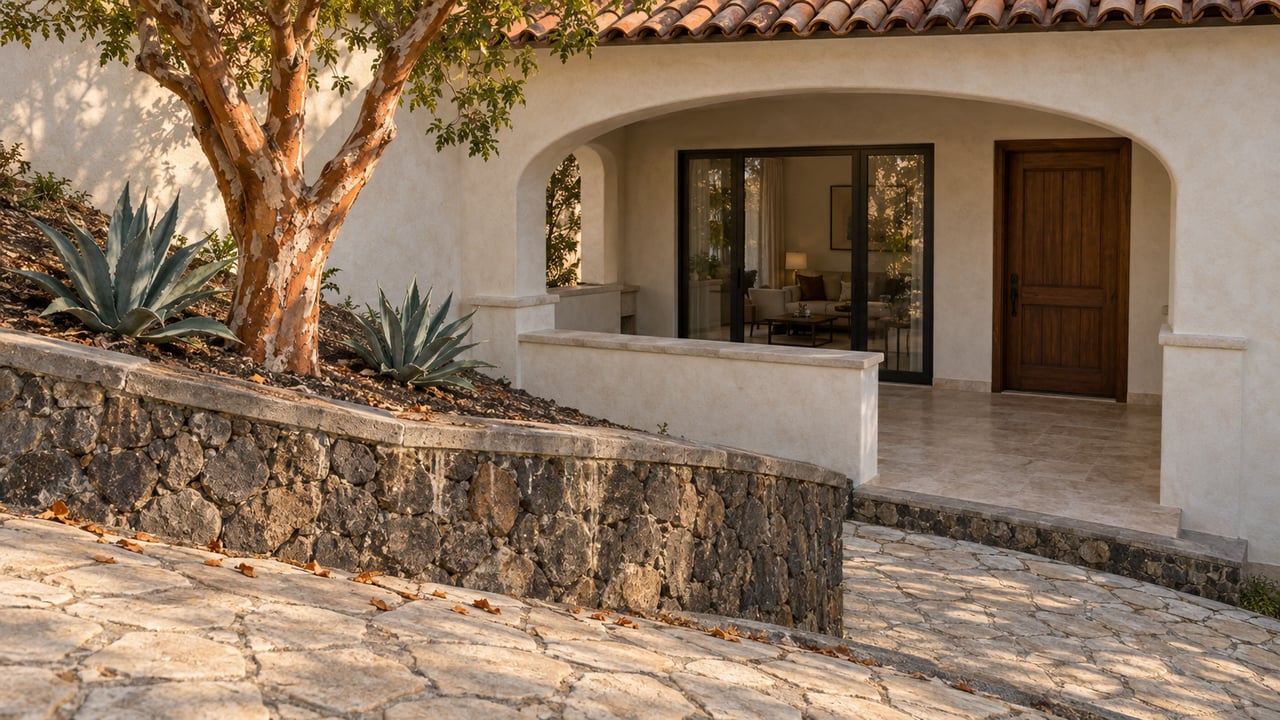
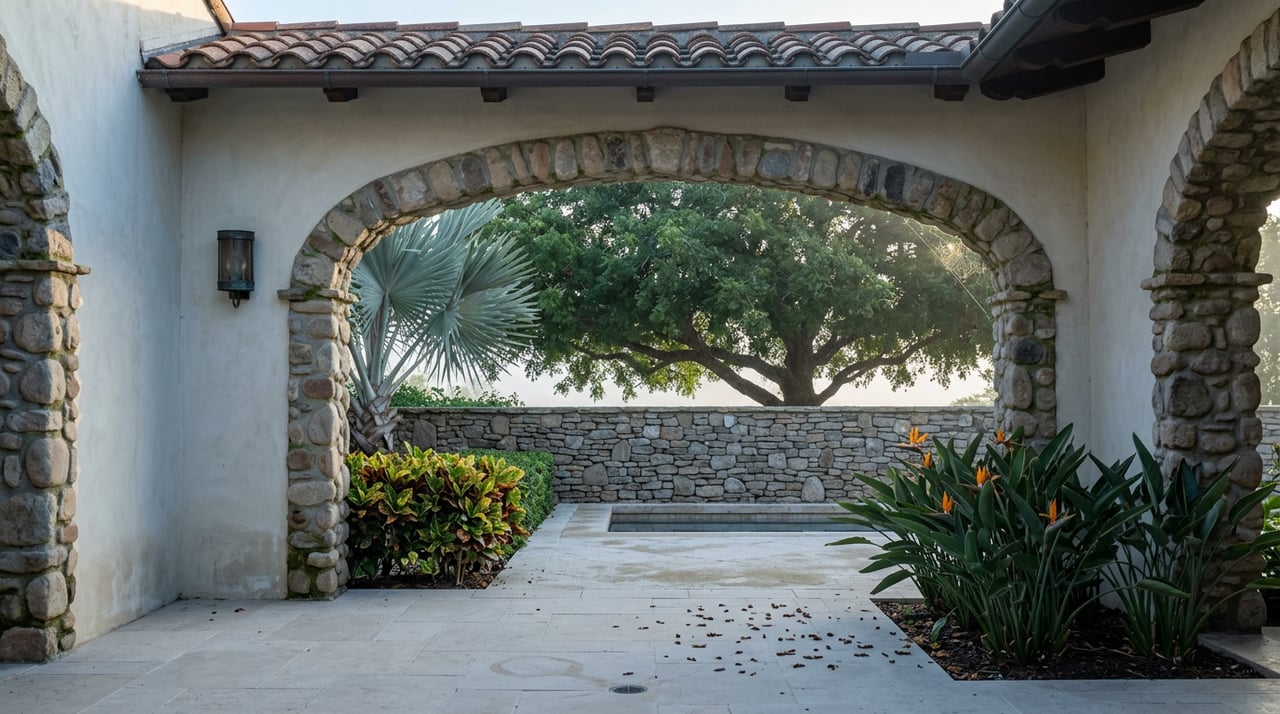
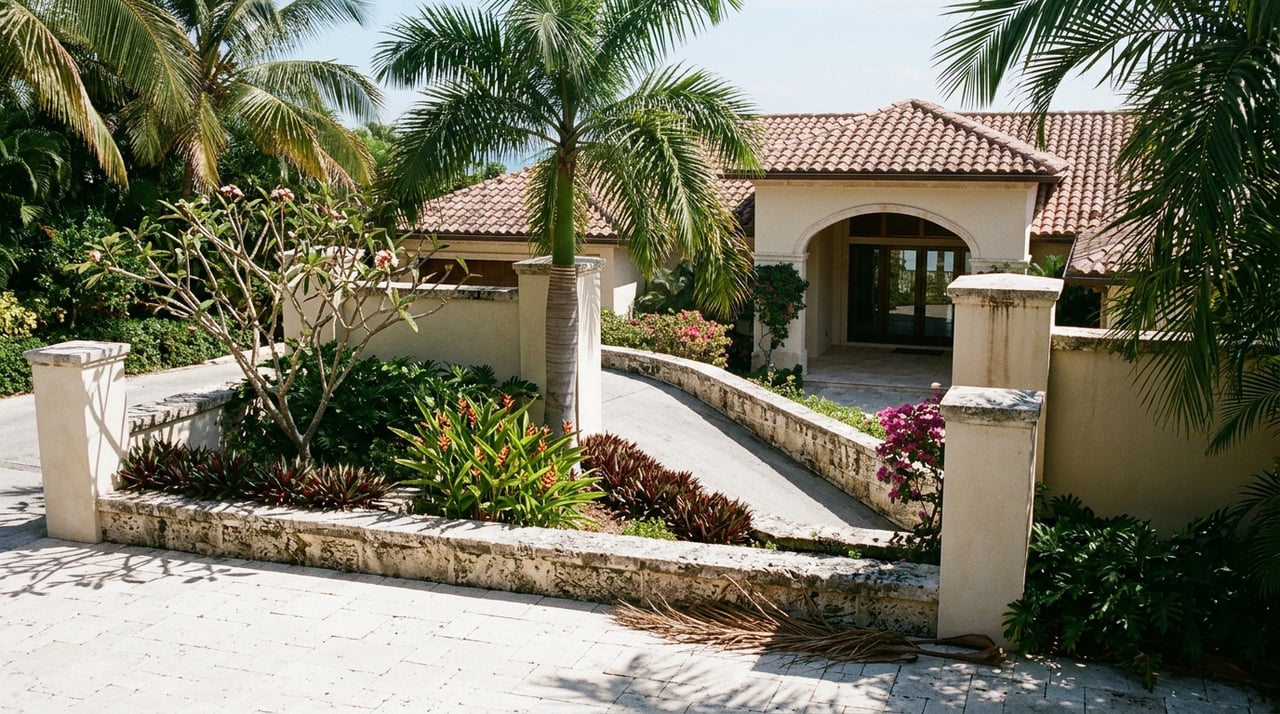
There's a reason certain homes on St. John photograph beautifully the moment they hit the market, and it rarely has anything to do with size or price. Buyers touring several properties in one afternoon almost always remember the ones whose decor felt intentional. The home decor tips in St. John, USVI we’ve mentioned below comes from years of experience walking through homes, gathered from small cottages near Cruz Bay to larger homes overlooking the coast.
Key Takeaways
- Learn which color choices complement natural light and island views.
- Discover which materials actually hold up in a tropical climate.
- Find out how to blend indoor and outdoor living spaces seamlessly.
- Understand how to add local touches without overdoing it.
Choose Colors That Complement Natural Light And Views
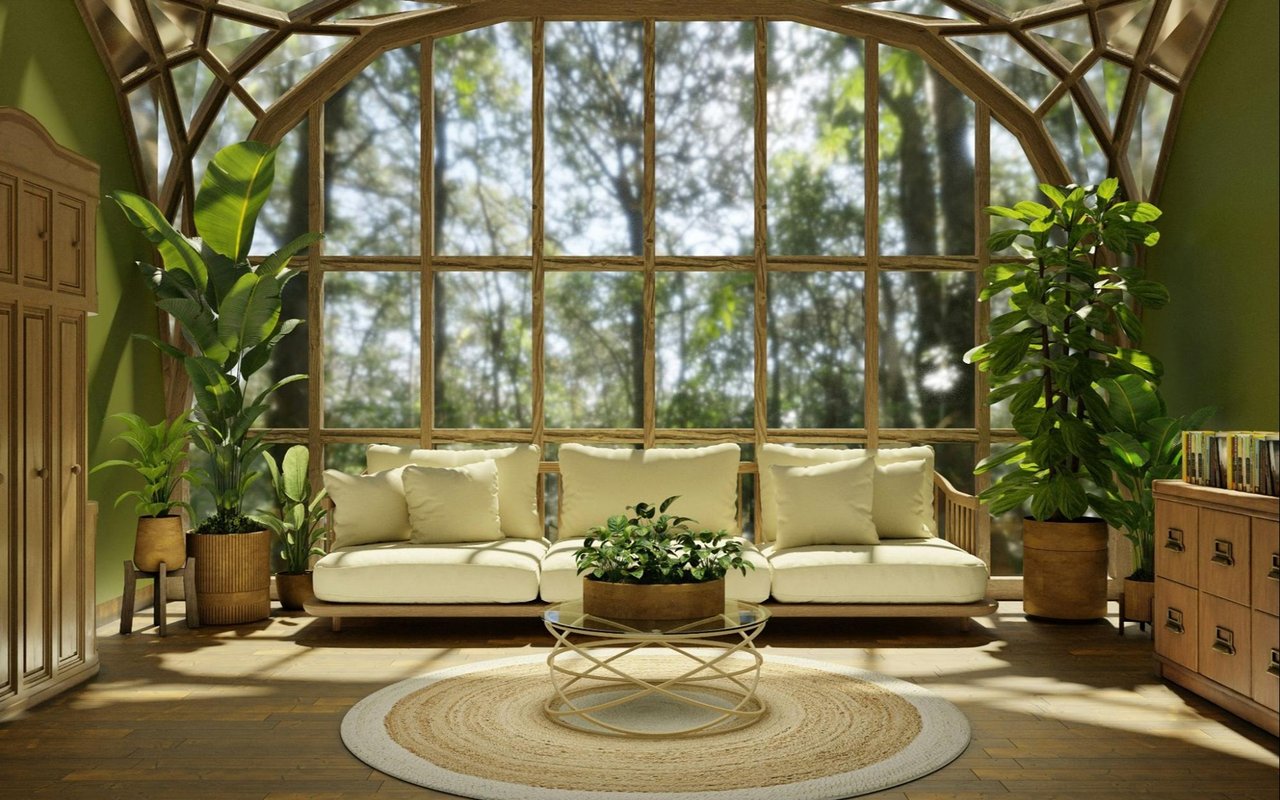
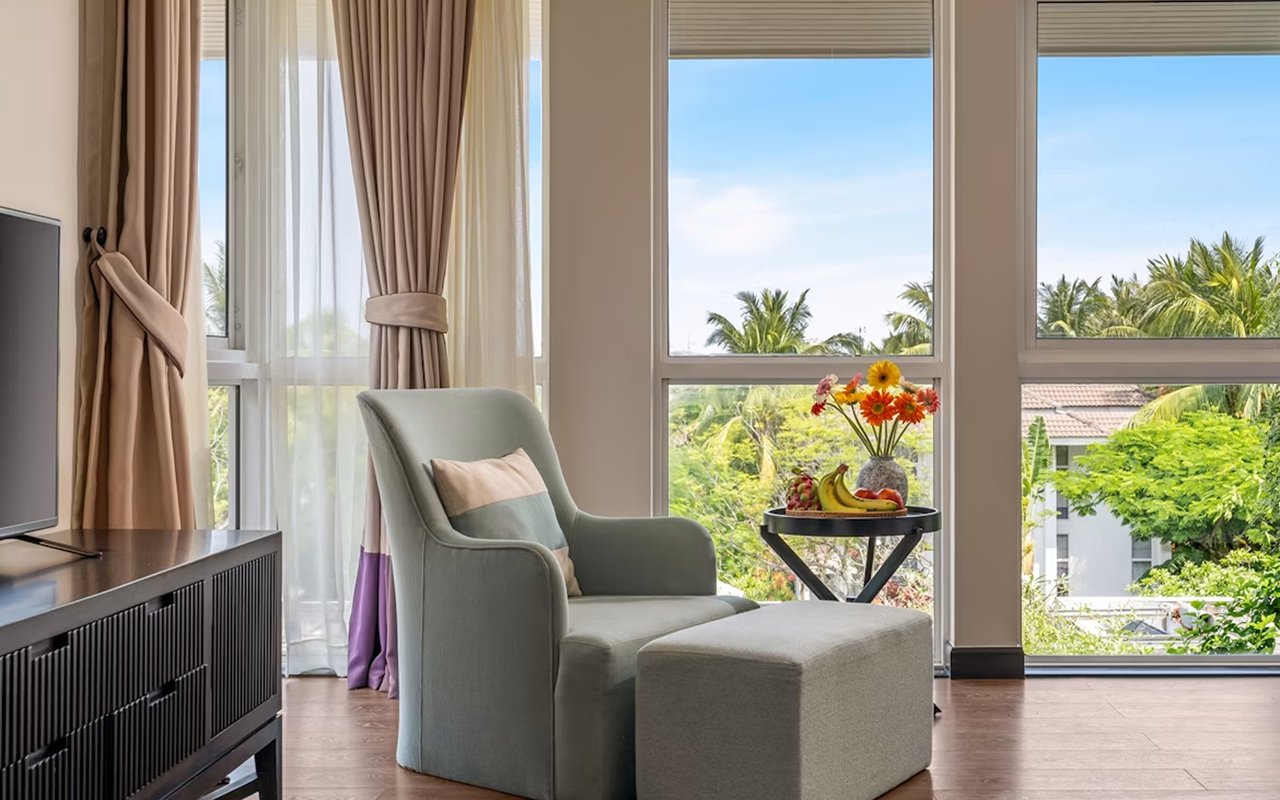
Homes on St. John get an abundance of natural light throughout the day, and the color choices that work best tend to work with that light rather than against it. This is one of the first things we notice touring a well decorated home.
Why Light And Color Work Together Here
The wrong color palette can make a bright room feel flat, while the right one makes the light feel like part of the design.
- Choose soft, light neutrals that reflect natural light rather than absorb it.
- Add color through accents like pillows, art, or textiles instead of walls.
- Take cues from the surrounding water and greenery for accent tones.
- Avoid heavy, dark palettes that can make smaller rooms feel closed in.
Getting the color palette right makes a home feel brighter and more connected to its setting. It's a small decision that changes how a space feels the moment you walk in.
Use Materials That Hold Up In A Tropical Climate
Humidity and salt air are part of daily life on St. John, and decor materials that aren't suited to that climate tend to show wear quickly. We consistently see this play a role in how well a home holds up over time.
Why Material Choice Matters More Here Than Elsewhere
Furniture and finishes that work fine in a drier climate can warp, fade, or mildew faster in a tropical setting.
- Choose furniture made from teak or other weather resistant woods.
- Use performance fabrics that resist moisture and fading.
- Select metal fixtures rated for coastal or marine environments.
- Avoid materials prone to warping in humid conditions, like certain particleboards.
Choosing the right materials upfront saves homeowners from replacing decor sooner than expected. It also keeps a home looking well kept with far less maintenance.
Blend Indoor And Outdoor Living Spaces
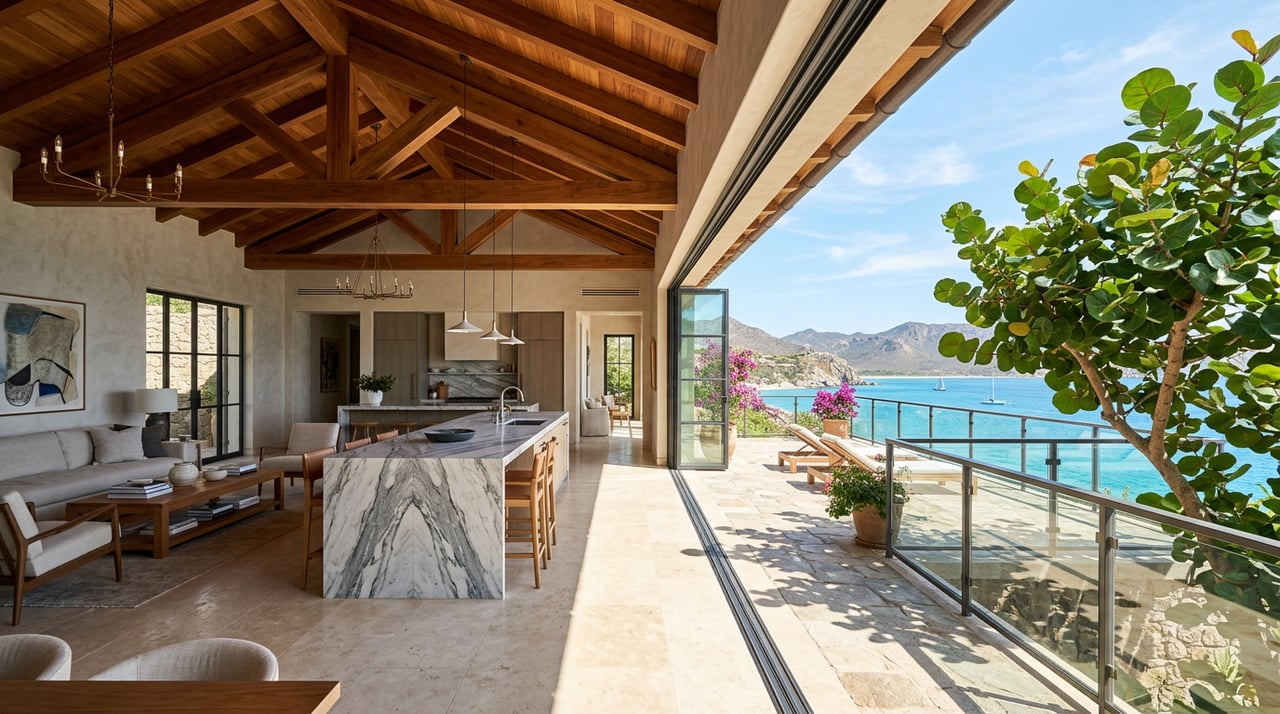
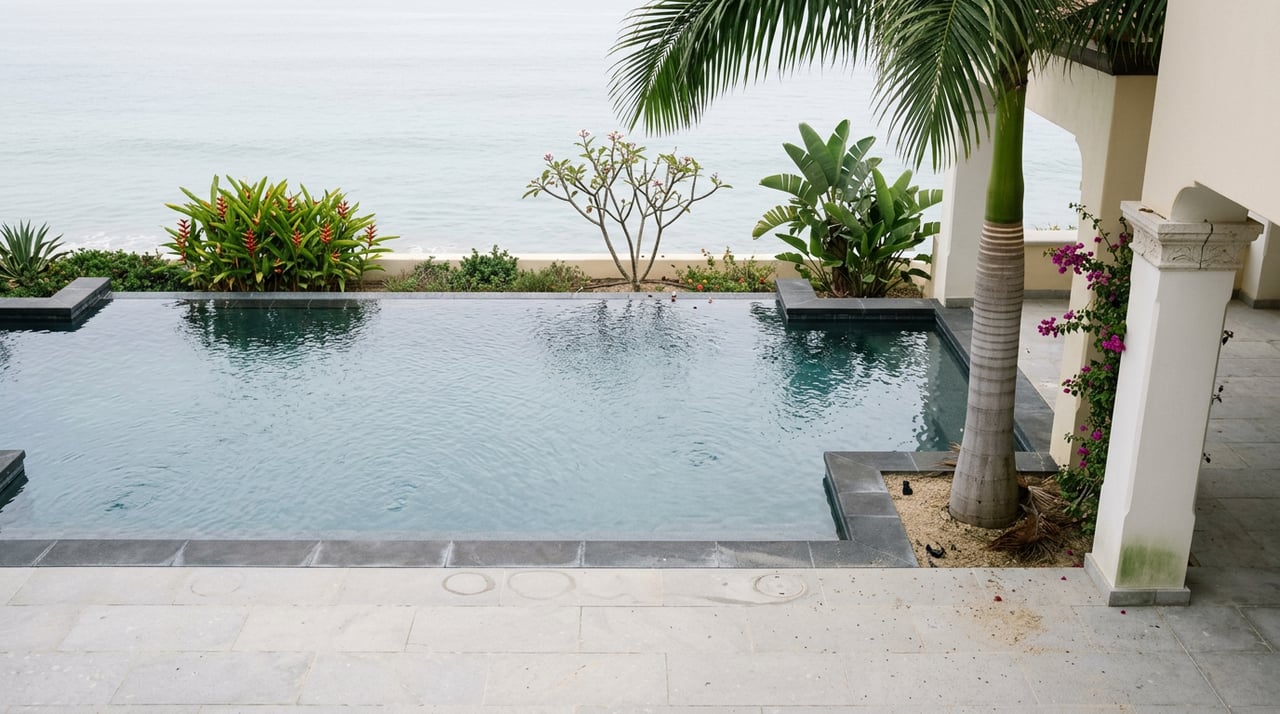
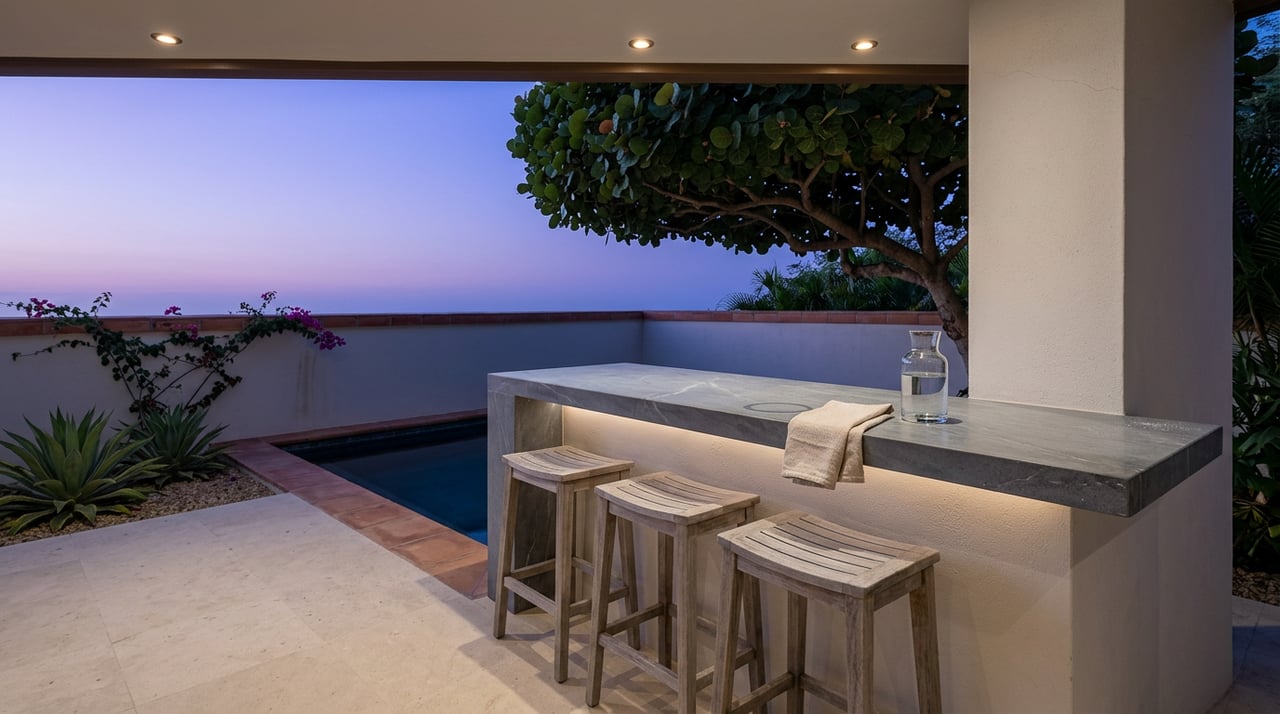
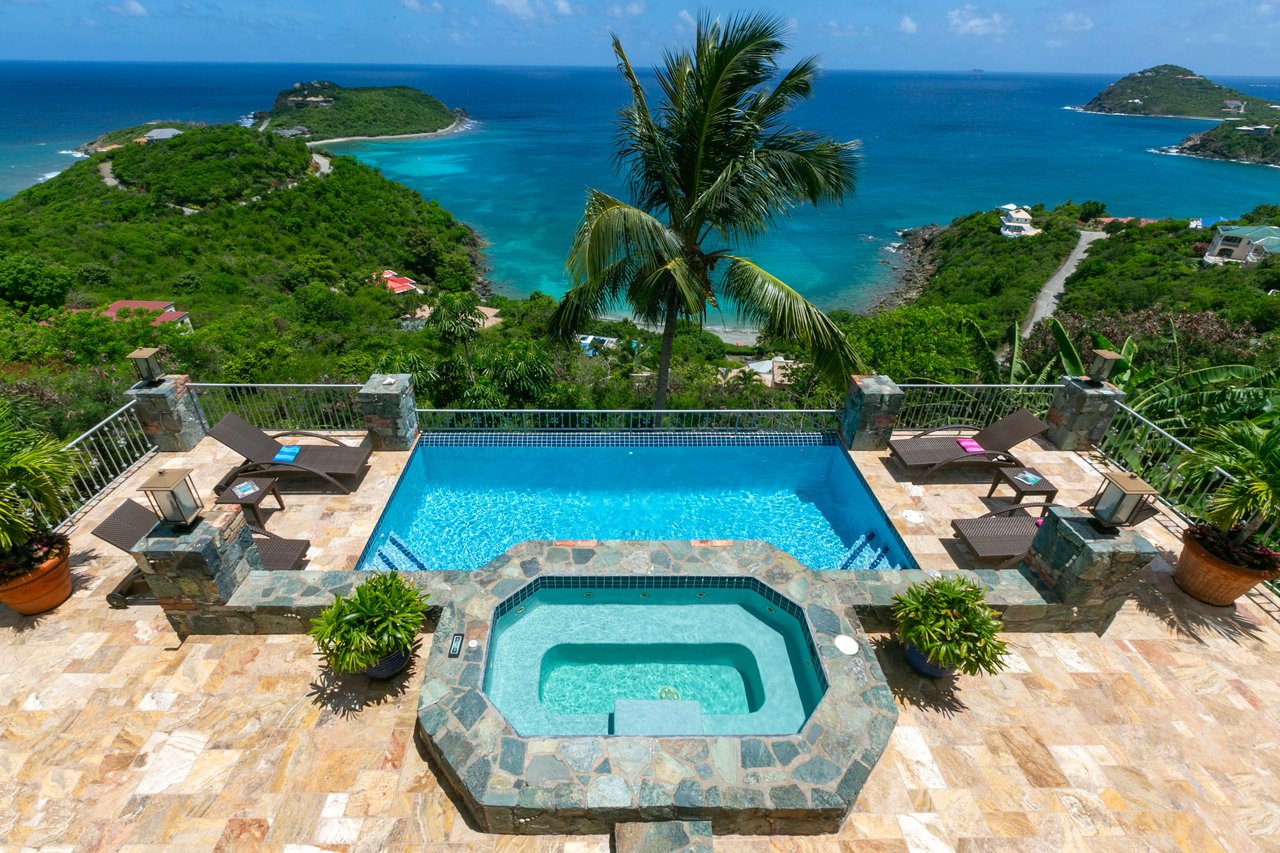
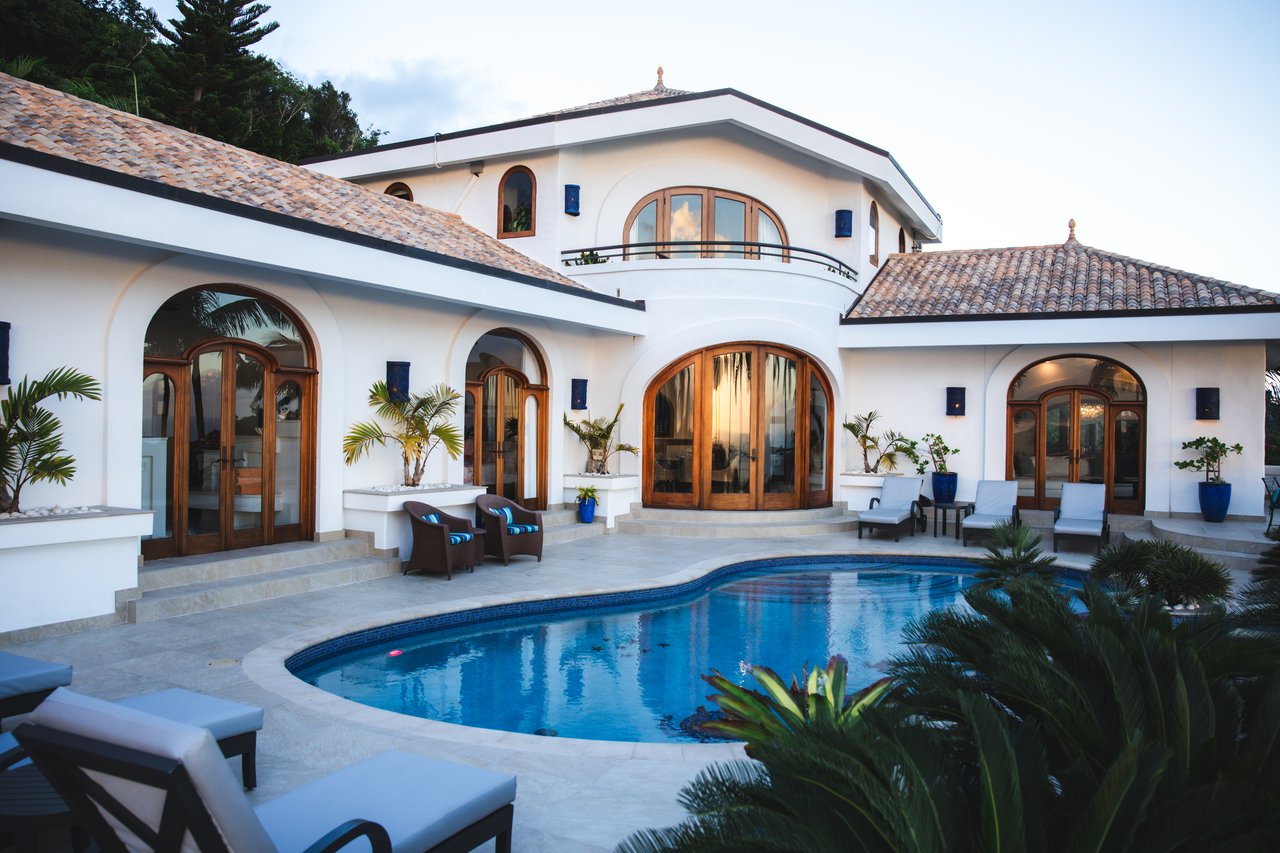
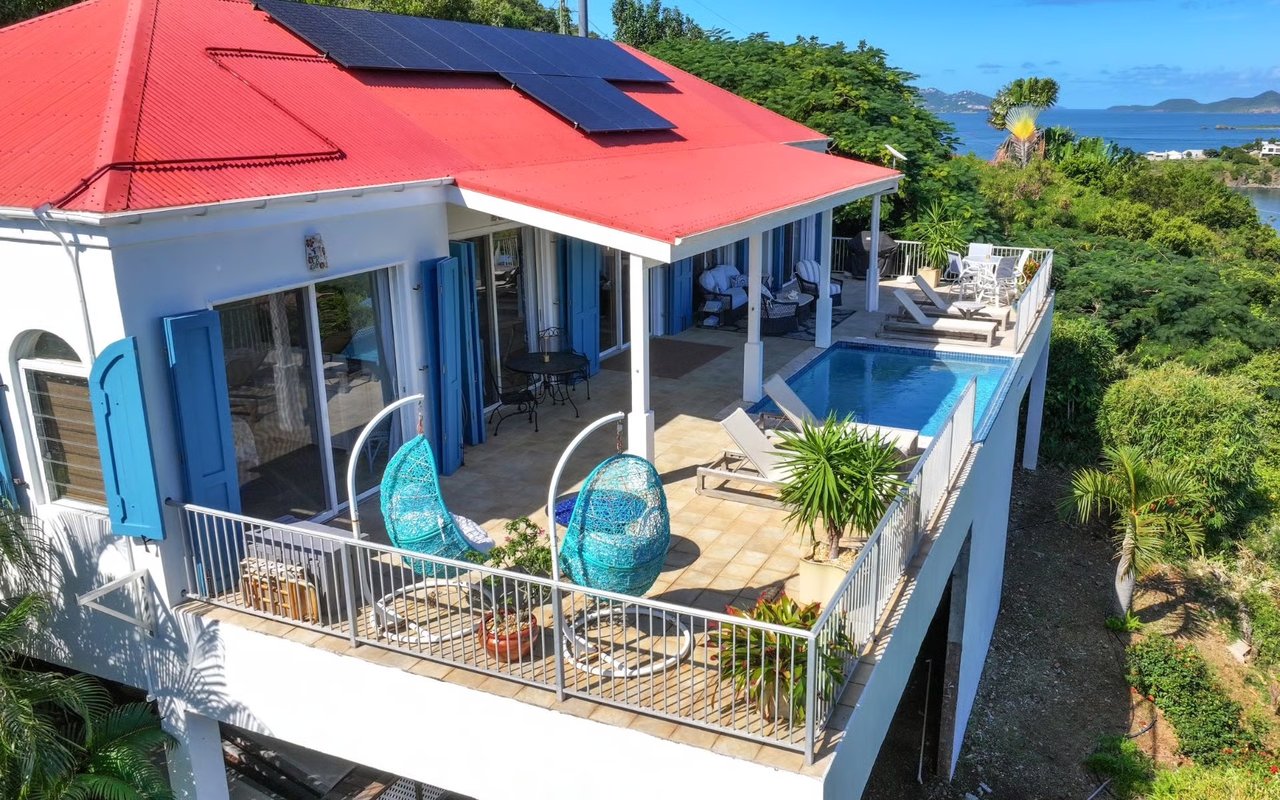
Some of the most appealing homes we tour on St. John treat indoor and outdoor spaces as one continuous living area. This kind of flow tends to stand out immediately during a showing.
Why This Blend Feels So Natural On The Island
Island living often centers around porches, decks, and covered outdoor spaces just as much as interior rooms.
- Use similar color palettes and materials indoors and outdoors for continuity.
- Add comfortable outdoor seating that mirrors the style used inside.
- Keep sightlines open between indoor rooms and outdoor spaces where possible.
- Choose window treatments that let outdoor views remain the focal point.
A home that blends these spaces well tends to feel larger and more livable overall. It's a detail that consistently comes up when buyers describe what drew them to a property.
Add Local Touches Without Overdoing It
A home on St. John should feel connected to the island, but that doesn't mean every surface needs a tropical print or a piece of driftwood. We notice the homes that strike this balance well tend to feel the most put together.
Why Restraint Makes Local Touches Work Better
A few well chosen local pieces make more of an impact than a room full of them.
- Look for a handful of handmade pieces from shops in Mongoose Junction or Wharfside Village.
- Choose one or two statement items rather than layering too many themes.
- Let natural materials like wood, rattan, and stone do most of the work.
- Keep artwork and accessories simple so the view outside remains the focus.
A restrained approach to local touches keeps a home feeling authentic rather than themed. It's often the difference between a space that feels curated and one that feels cluttered.
Frequently Asked Questions
Does decor actually affect how well a home shows to buyers?
Yes, we consistently see well decorated homes leave a stronger impression during showings, even when the layout and price are similar to other listings. Small, thoughtful choices can make a home feel more move-in ready to a buyer touring several properties in one day.
What's the biggest decor mistake we see in St. John homes?
Overloading a space with heavy, dark furniture or too many competing tropical themes is one of the most common issues we notice. A simpler approach almost always photographs and shows better.
Should decor match the age or style of the home?
It helps to work with a home's existing character rather than against it, especially in older or more traditional properties. That said, there's plenty of room for personal style as long as materials and colors still suit the climate.
Reach Out to The Bonvi Hospitality Group
We pay close attention to details like decor and finishes because they affect how a home performs on the market. That perspective shapes how we guide clients through buying or selling a home on St. John.
If you're curious how your home's finishes might affect its value or you're searching for a property with the character you're after, reach out to The Bonvi Hospitality Group, and we'll share what we're seeing in the market.
If you're curious how your home's finishes might affect its value or you're searching for a property with the character you're after, reach out to The Bonvi Hospitality Group, and we'll share what we're seeing in the market.